Blog / Randallstown, MD Ford Dealer

Ford F-150 EcoBoost® vs. V8

Ford F-150 engine types

Contact Our Staff Today

Work Smarter and Harder

Are you trying to decide the right engine for the job? With the 2021 Ford F-150 six-engine lineup, you can’t go wrong. Each of the proven Ford F-150 engine types delivers relentless strength and optimized performance, and the staff at Preston Ford West has some insight for you to choose your best power source. Lower trims come standard with a 3.3L V6 gasoline engine, but for more muscle and efficiency, we suggest upgrading to one of the two EcoBoost® engines or the highly potent Ford V8. Learn more about these purpose-built engines, and then come and speak with our sales team to begin configuring the best 2021 Ford F-150 for your operation.Preston for LifeFord F-150 engine types

Ford F-150 Engine Types

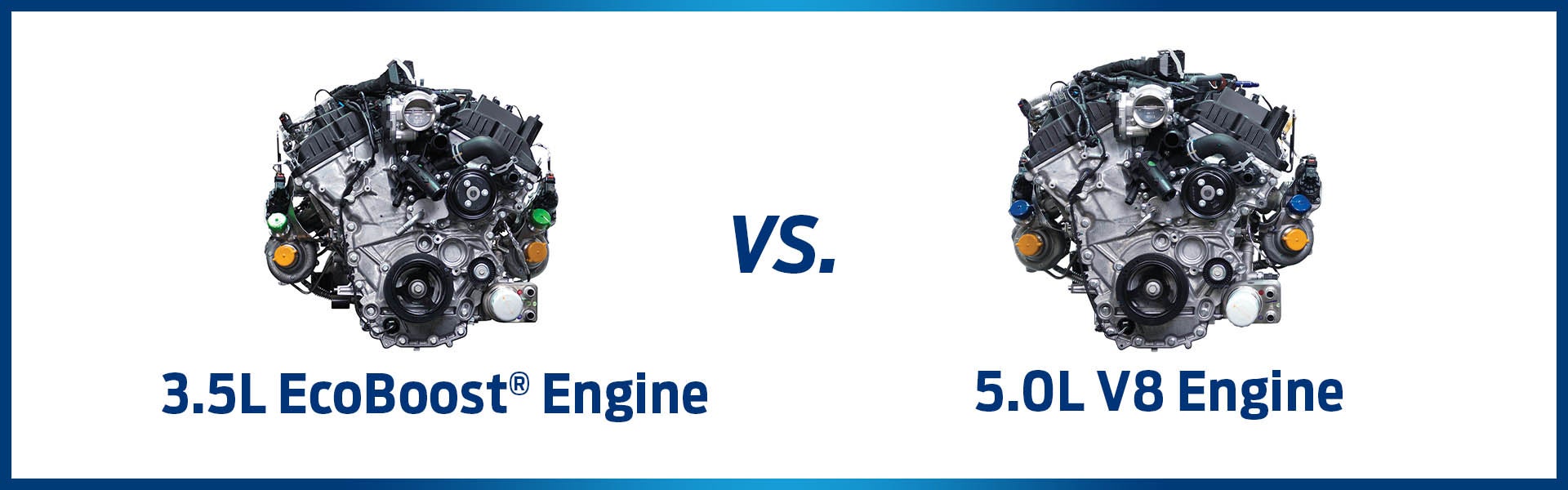
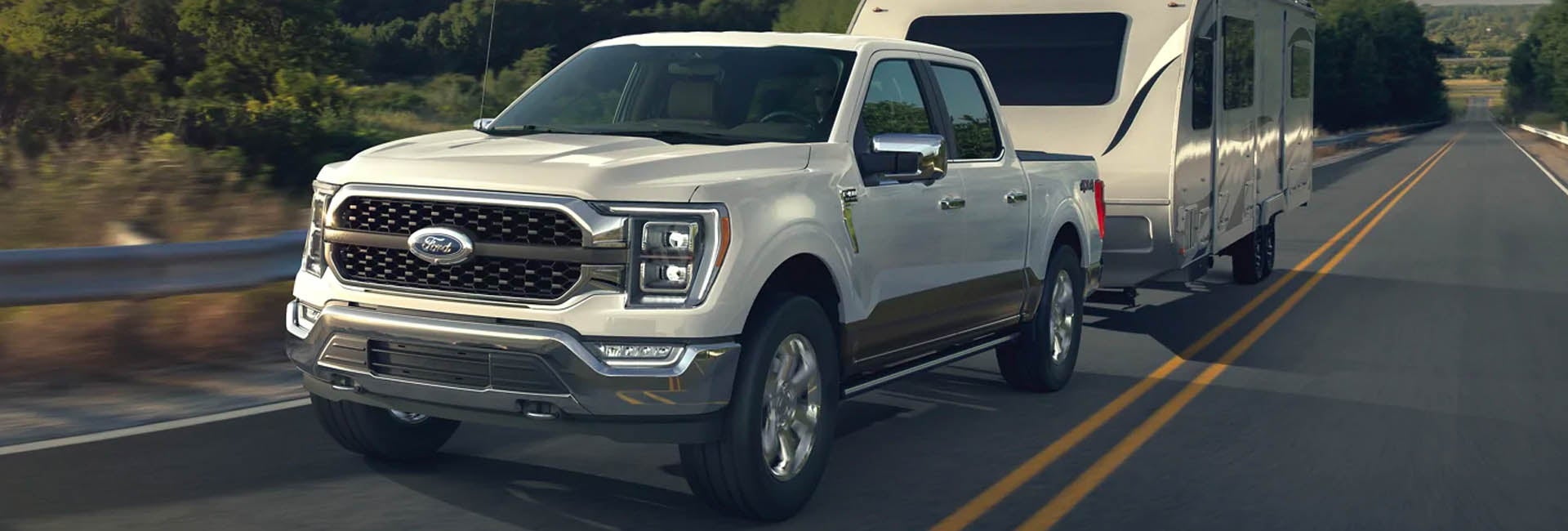
Propelling the 2021 Ford F-150 Lariat is the 2.7 EcoBoost® V6 powertrain. This motor delivers a robust 325 horsepower and 400 lb.-ft. of torque. The other available EcoBoost® of the Ford F-150 engine types is the 3.5L EcoBoost® V6 that beats out all its competitors. This bad boy is standard in the 2021 Ford F-150 Limited and boasts 400 horsepower and 500 lb.-ft. of torque. When matched with the Max Trailer Package, achieve a best-in-class towing capacity of 14,000 lbs. If hauling is what you are looking for, the legendary 5.0L Ti-VCT V8 paired with the 10-speed automatic transmission touts a best-in-class maximum payload rating of 3,325 lbs. It features new Variable Displacement technology that preserves the engine power and comes standard in the 2021 Ford F-150 Platinum and 2021 Ford F-150 King Ranch® models. Both the EcoBoost® and V8 Ford F-150 engine types feature a Ford port-fuel and dual direct-injection (PFDI) system for on-demand power, so either option is an excellent choice. Visit us for a closer look under the hood. Or, you can always choose the 3.0L Power Stroke® Turbo Diesel or the new 3.5L PowerBoost™ Full Hybrid V6 for groundbreaking collective might of gasoline and electric energy.

Select Your Engine

The knowledgeable staff at Preston Ford West has details on each of these 2021 Ford F-150 engine types and will go over each specification separately to help pick your match.Ford F-150 engine types
Posted in:

Related Posts

how long should a car loan be

How Long Should A Car Loan Be? 60 vs. 72 Months & More

The Car Loan Length To Fit Your Needs Choosing the right car loan term is a crucial part of the car-buying process, as it directly impacts your monthly payments and the total cost of the loan. Understanding how long a car loan should be depends on several factors, including your financial situation, the car's value, and your long-term goals. Whether you’re considering a short-term loan or a longer-term option, finding the right balance can help you manage your monthly budget while minimizing interest costs. It’s essential to evaluate your loan options carefully for the perfect ride. From shorter loan terms with higher monthly payments to longer periods with lower payments, the decision can shape your overall financial well-being. By exploring the pros and cons of each term length from Preston Ford West, you'll be better equipped to select a loan that aligns with your needs and ensures a smooth car ownership experience. Get in touch with our finance department today! Understanding Car Loan Term Lengths What Is the Average Car Loan Length? On average, determining how long a car loan should be typically ranges between 60 to 72 months. This time frame has become increasingly common as car prices rise, making longer loan terms more appealing to buyers looking for manageable monthly car payments. However, understanding the implications of the 60- vs. 72-month car loan is essential when choosing a loan term that fits your needs. For those looking for a short-term loan, terms usually range from 36 to 48 months. These often come with higher monthly payments but lower interest costs over the life of the loan. On the other hand, longer-term loans, such as 72-month or even 84-month loans, allow for lower monthly payments but significantly increase the total amount paid due to higher interest rates over a longer period of time. Selecting the right term should factor in both your financial situation and how much car you can realistically afford. Factors That Influence Loan Term Decisions Several factors play a crucial role in determining the ideal car loan term for you. One of the most significant considerations is your financial situation. This includes evaluating your savings, monthly budget, and overall income. For example, if you have a steady income and can comfortably handle higher monthly payments, a shorter loan term may be a good idea. Conversely, if your budget is tighter, a longer loan term may help reduce the immediate financial burden, even if it increases the total cost of the loan. Another key factor for how long a car loan should be is whether you’re financing new vehicles or used vehicles. New cars tend to have better interest rates compared to used car loans. However, used vehicles generally cost less up front, which could allow you to opt for a shorter loan term. Additionally, the trade-in value of your current car and the size of your down payment can influence your decision. A large down payment reduces the loan balance, which can make shorter terms more feasible. Car prices and interest rates also have a major impact on how long a car loan should be. Rising car costs can push buyers toward longer-term loans to achieve a lower monthly payment. However, longer loan terms often come with higher interest rates, which increase the total interest paid over the life of the loan. Loan fees, annual percentage rate (APR), and other financing options, like home equity loans or credit cards, should also be considered when evaluating how long a car loan should be. Short-Term vs. Long-Term Auto Loans Why Short-Term Auto Loans May Be a Good Idea Short-term auto loans, typically lasting 36 to 48 months, can be an excellent option for buyers who want to save money in the long run. One of the biggest advantages is the lower total interest costs. Since the loan is repaid over a shorter time frame, the lender has less opportunity to collect interest, resulting in significant savings. Additionally, short-term loans often come with better interest rates, making them an attractive choice for borrowers with a solid credit history. Another benefit is the faster payoff time, which reduces the risk of negative equity. Negative equity occurs when the loan balance exceeds the car’s value, a situation that can arise in longer-term loans. With a shorter term, you’re less likely to owe more than the car is worth. This also minimizes the need for additional financial products like gap insurance, which is often required for long-term loans to cover any shortfall in case of a total loss. Moreover, shorter loan terms typically lead to lower car insurance premiums, as the insurance company views shorter repayment periods as less risky. Longer-Term Loans: Pros and Cons Longer-term loans, such as 72-month or 84-month auto loans, are appealing for buyers who prioritize lower monthly payments. These loans can make a car purchase seem affordable up front, especially if you’re trying to fit the loan payments into a tight monthly budget. However, the benefits of longer-term loans come with notable trade-offs. One of the primary disadvantages is the increased overall cost of the loan. While the monthly payments are lower, the extended length of the loan term means paying more in total interest over time. In fact, the longer the loan term, the higher the interest payments you’ll make, which can significantly increase the total amount paid for the vehicle. Additionally, longer loan terms carry a higher risk of negative equity, particularly for vehicles that depreciate quickly. If you decide to sell or trade in the car before the loan is paid off, you may still owe money on the loan. Long-term auto loans may also limit your financial flexibility. For instance, unexpected repair bills or changes in your financial situation could make it challenging to keep up with payments over a longer period. Additionally, buyers should be cautious about being locked into a loan for a longer period of time, as this can restrict their ability to upgrade to a new vehicle or adapt to changing needs. How to Choose the Right Auto Loan Term Evaluating Your Financial Situation Choosing how long a car loan should be starts with a clear evaluation of your financial situation. Begin by assessing your income, monthly budget, and any savings account reserves. A solid understanding of your finances will help you determine how much car you can afford and what kind of loan payments fit comfortably within your budget. For instance, if you have disposable income and can handle higher monthly payments, opting for a shorter loan term could save you money in the long run. Another critical factor of how long a car loan should be is your credit history. Borrowers with strong credit scores are often eligible for better interest rates, which can make even shorter loan terms more affordable. On the other hand, if your credit history is less favorable, you may face higher interest rates, making a longer loan term more practical. Using an auto loan calculator or payment calculato r can be invaluable during this process, allowing you to compare different loan offers and see how factors like term length, interest rates, and loan balance impact your monthly car payment and total cost. Balancing Loan Term and Total Costs When choosing between a short-term and a long-term situation for how long a car loan should be, it’s essential to consider the trade-off between monthly payments and total interest costs. Shorter loan terms typically come with higher monthly payments, but they save you money over time by reducing the total interest paid. For example, a 36-month loan will cost less in interest compared to a 60-month or 72-month loan, even if the monthly payments are higher. On the flip side, longer loan terms reduce your monthly payment, making it easier to fit into your monthly budget. However, the extended time frame increases the total interest paid over the life of the loan, adding to the overall cost. Additionally, longer-term loans may come with higher interest rates, further increasing the loan’s cost. It’s crucial to weigh these factors carefully, as the wrong choice could strain your finances in the long run. Additional costs should also be factored into your decision. For instance, repair bills and maintenance costs are more likely to arise if you keep the car for an extended period, which is common with long auto loan terms. Exploring options like refinancing loans or using home equity to pay off a portion of the loan could provide some flexibility. Similarly, understanding the potential need for GAP insurance or higher car insurance premiums with longer loans is important when calculating the total cost of ownership. 60- vs. 72-Month Car Loan: Which Option Is Better? Deciding between a 60-month loan and a 72-month loan depends on your priorities, financial situation, and the car’s value. A 60-month loan is often considered a balanced choice, offering a shorter repayment period while keeping interest costs relatively low. With this option for how long a car loan should be, you can pay off the loan faster and reduce the risk of negative equity, where the loan balance exceeds the car’s value. However, the higher monthly payments associated with a 60-month loan may strain your budget, especially if you’re financing a more expensive car. In contrast, a 72-month loan provides the benefit of lower monthly payments, making it a good option for buyers who need to maintain a tighter monthly budget. This extended term for how long a car loan should be can make higher car prices more manageable up front, but it comes with drawbacks. The longer period increases the total interest paid, raising the overall cost of the loan. Additionally, the risk of negative equity is higher with a 72-month loan, particularly for vehicles that depreciate quickly. Buyers should also consider the potential need for GAP insurance, which adds to the total cost of financing. When deciding between these two options for how long a car loan should be, it’s important to evaluate your financial goals and how long you plan to keep the car. If you’re planning a long-term car purchase and want to minimize monthly payments, a 72-month loan might work. However, if you prefer to minimize interest costs and pay off the loan faster, a 60-month loan is likely the better choice. Tools like an auto loan preapproval or a payment calculator can help you compare these options and determine the best fit for your next car purchase. We offer these tools on our website, or you can contact our finance department to learn more. Find the Best Auto Loan at Preston Ford West When deciding on how long a car loan should be, it’s crucial to weigh the advantages and disadvantages of short-term and long-term loans. Short-term loans are ideal for those who can handle higher monthly payments and want to minimize total interest costs. They also reduce the need for financial products like GAP insurance and can help you avoid long-term negative equity. However, they may require a more significant financial commitment up front, which could strain your monthly budget. On the other hand, long-term auto loans offer the advantage of lower monthly payments, making them suitable for buyers with a tighter monthly budget or those looking to finance a more expensive car. While these loans can make car ownership more accessible initially, they often result in higher overall costs due to increased interest payments over a longer loan term. Additionally, factors like repair bills and depreciation may add further expenses over time, making it essential to carefully evaluate your financial situation and goals.To get the best deal for your situation, explore various financing options, including car leases, new car loans, and used car loans at Preston Ford West. Get in touch with us today! GET PRE-APPROVED


Auto Loan Rates in Maryland: What To Know

What’s Driving Rates in MD? Finding the best auto loan rates in Maryland is essential for anyone planning a vehicle purchase in 2026. Whether you're buying a new vehicle or a used car, understanding factors such as loan terms, annual percentage rate, and repayment options can help you secure competitive financing. With the right financial education, you can reduce total interest costs and make confident decisions about your monthly car payment. Maryland drivers have access to a wide range of auto loan options in Maryland, designed to fit different budgets and financial situations. From fixed-rate loans that offer predictable payments to flexible repayment terms tailored to your needs, there are solutions for nearly every buyer. This guide covers key details on credit approval, eligibility requirements, and helpful tools, such as an auto loan calculator, to simplify the loan application process. Whether you're new to online banking or an experienced borrower, Preston Ford West is here to help you navigate your options with confidence! Key Factors That Affect Auto Loan Rates in Maryland Understanding Creditworthiness and Credit Score Your creditworthiness, which is primarily determined by your credit score, plays a lead role in the annual percentage rate you qualify for on an auto loan. Lenders examine your credit score to evaluate your reliability in repaying loans. Higher scores usually result in lower interest rates, while lower scores may lead to higher rates or even difficulty in obtaining credit approval. Improving your creditworthiness involves paying bills on time, reducing outstanding debt, and avoiding new credit inquiries before applying for an auto loan. By taking these steps, you can increase your chances of securing a low interest rate. Additionally, lenders often look at your overall financial profile, so maintaining a good balance between your income and debt is essential. Loan Terms and Other Conditions When choosing an auto loan, you’ll need to decide between fixed rate and variable rate options. A fixed rate loan ensures consistent loan payments throughout the repayment term, offering predictability and stability. In contrast, a variable rate loan may start with a lower rate but can fluctuate over time, potentially increasing your payment amount. The loan term also impacts your monthly payments and total interest costs. A shorter loan term typically results in higher monthly payments but lower total interest over time. Choosing a longer repayment period can lower your monthly obligation, but it typically means paying more in interest over time. Finding the right fit comes down to balancing manageable payments with your broader financial priorities. Understanding repayment terms is equally important. For instance, a 60-month term might suit one borrower, while another may prefer a 72-month term for lower payments. Carefully reviewing your repayment plan can help you avoid paying unnecessary interest and ensure your loan fits within your financial capacity. Best Auto Loan Rates in Maryland for New and Used Cars Maryland offers competitive rates for both new vehicle purchases and used auto loans. Financial institutions in the state often provide great rates for borrowers with strong creditworthiness, helping them save money on their car payments. Keep in mind, these figures are estimates, and actual rates can vary. In most cases, shorter loan terms (48–60 months) offer lower interest rates than longer terms (72–84 months), which can result in higher overall interest costs over time. Whether you’re purchasing a new car or a pre-owned model, exploring the lowest available rate options is key. For new vehicles, lenders frequently offer promotional rates, especially towards the end of the year when dealerships aim to clear out inventory. These competitive rates are often accompanied by additional incentives, such as cash back or rate discounts, making it an opportune time to buy. When it comes to used cars, rates can vary depending on factors such as the model year and vehicle condition. Maryland lenders often assess the loan-to-value ratio, which compares the loan amount to the trade-in value or purchase price of the car. By selecting a vehicle with a high trade-in value or providing a larger down payment, you can secure better terms for your used auto loan. Many Maryland dealerships frequently collaborate with financial institutions to offer lower loan rates or additional perks to qualified buyers. These partnerships streamline the application process and can provide added convenience when finalizing your vehicle purchase. Speak with our team at Preston Ford West for more information! Comprehensive Auto Loan Options in Maryland Financing for New and Used Vehicles When financing a new vehicle, borrowers must meet specific eligibility requirements set by lenders. These typically include proof of income, a minimum credit score, and details about the vehicle. Financial institutions may also consider your debt-to-income ratio to ensure you can handle the loan payments comfortably. For used cars, loan-to-value calculations are essential. Lenders will evaluate the car’s trade-in value and compare it to the requested loan amount. Ensuring the vehicle meets the lender’s requirements, such as its age and condition, can help you secure better terms and avoid higher interest rates. The trade-in value of your current vehicle can also significantly affect your car payment calculations. By trading in your old car, you can reduce the amount financed, which in turn lowers your monthly payments and total interest costs. At Preston Ford West, we offer tools to estimate your trade-in value, making the process easier. Exploring Additional Loan Options If you already have an auto loan, refinancing might be a practical solution to secure lower rates. Auto refinance allows borrowers to replace their existing loan with a new one, often at a more favorable interest rate. This can help reduce your monthly car payments or shorten the loan term, saving money over time. Another option is to combine a home equity line of credit with your vehicle purchase. This approach leverages the equity in your home to secure a lower interest rate, though it carries risks, such as putting your home at risk if payments are missed. Still, it’s a viable choice for borrowers seeking flexibility and lower rates. How Maryland Dealerships Simplify the Loan Application Process By leveraging tools like online banking and mobile banking, borrowers can access their accounts, track loan payments, and manage their finances conveniently. Using an auto loan payment calculator is another effective way to estimate payments and compare loan scenarios. By entering details such as loan term, interest rate, and vehicle price, you can get a clear picture of your monthly payments and total interest costs. This helps you make an informed decision before finalizing your loan application. We offer a streamlined loan application process, either online or in person. The application typically requires basic personal information, proof of income, and details about the vehicle you intend to purchase. Once submitted, lenders will review your application, assess your creditworthiness, and provide you with the actual rate you qualify for. Tips to Secure the Lowest Auto Loan Rates in Maryland Securing the lowest auto loan rates in Maryland requires a combination of research, preparation, and timing. Start by comparing current rates offered by financial institutions across the state. Many banks and credit unions provide rate discounts for eligible borrowers, so it’s worth exploring these options to save on your car payment. Additionally, some lenders offer promotional rates or cash back incentives during specific periods, making it important to shop around. To improve your chances of qualifying for a low rate, review your credit score and address any issues before applying. Lenders use your creditworthiness to determine the annual percentage rate you qualify for, so even small improvements can make a huge difference. Use tools like an auto loan calculator to estimate your monthly payment and interest percentage based on the rate you expect to qualify for. This can help you make an informed decision about which loan terms suit your budget. Another effective strategy is to apply once you’ve identified a lender offering a great rate. Many financial institutions allow you to lock in your rate for a limited time, giving you peace of mind while you finalize your vehicle purchase. Don’t forget to review the terms and conditions of your loan agreement carefully to guarantee there are no unexpected fees or restrictions. Taking these proactive steps will help you lock in the best deal possible. Additional Resources for Loan Management Staying organized is key to keeping any loan on track and minimizing extra costs. Online account access and mobile tools make it simple to review balances, set up or adjust payments, and keep tabs on upcoming due dates. Many financial institutions also provide alerts and reminders to help prevent missed payments. It’s equally helpful to have basic account details readily available when arranging automatic payments or addressing questions. Taking time to understand important loan terms can also provide greater clarity around how interest and payment structures work. Drive Forward with Confidence Navigating auto loan rates in Maryland doesn’t have to be overwhelming. By understanding how credit scores, loan terms, and repayment options affect your total cost, you can confidently choose financing that fits your budget and long-term goals. Whether you’re buying new, purchasing used, or considering refinancing, preparation and comparison are key to securing a competitive rate. With the right tools, clear information, and guidance from the team at Preston Ford West, you’ll be well-equipped to make a smart decision and drive away knowing you secured the best possible deal for your needs! GET PRE-APPROVED

What Is A Good Credit Score To Buy A Car?

The Credit Score That Unlocks Better Auto Loan Deals When planning a car purchase, whether it's a new vehicle or a used car, understanding what constitutes a good credit score for an auto loan is crucial. Your credit score plays a role in determining your loan terms, including your interest rate and monthly payment amount. A prime credit score can mean access to lower interest rates, favorable terms, and significant savings over the life of the loan. Auto lenders evaluate your credit profile to assess the risk of lending. Various factors, such as payment history, credit history length, and credit utilization ratio, are analyzed using credit scoring models, such as the FICO Auto Score. Whether you're considering a used-car loan or financing a new car, knowing how your credit score impacts car financing can make the buying process smoother and more affordable. Fill out a finance application online or visit our finance team at Preston Ford West to learn more about how your score will impact your auto loan. How Credit Scores Influence Auto Loans What Credit Scores Mean for Borrowers Your credit score plays a very important role in the auto loan approval process and the terms you may qualify for. Lenders use it to evaluate credit risk and determine interest rates, loan amounts, and repayment conditions. In general, a higher credit score signals lower lending risk, which can result in more competitive interest rates and better overall terms. A low score usually leads to higher rates, stricter conditions, or a declined application. For instance, FICO® Score is a widely used credit scoring model. FICO® scores on average range from 300 to 850, with higher numbers reflecting stronger credit profiles. Auto lenders often favor applicants with higher scores because they are statistically more likely to make consistent, on-time payments. A stronger credit profile can reduce the interest rate offered, which may lower monthly payments and decrease the total cost of the loan over its term. The Role of Credit Bureaus and Scoring Models Your credit score is created using information from the three major credit bureaus, such as Equifax, Experian, and TransUnion. These companies keep track of how you manage credit, including whether you pay on time, how much you owe, the types of accounts you have, and how long you’ve had credit. When you apply for a car loan, lenders often use a specialized scoring model like the FICO® Auto Score. This version of your credit score is designed specifically for vehicle financing. Several key factors affect your score: Payment history: Paying on time helps your score. Late payments can hurt it. Credit utilization: This is how much of your available credit you’re using. Keeping it below 30% is generally recommended. Credit mix: It’s recommended to have a variety of accounts (credit cards and installment loans). Recent credit inquiries: Applying for too many accounts in a short period can lower your score. By making payments on time, keeping balances manageable, and applying for credit only when needed, you can craft a stronger credit profile and improve your chances of qualifying for auto financing. What Is the Ideal Credit Score for a Car Purchase? Understanding Average Credit Scores for Auto Financing The credit score you’ll need to finance a vehicle can vary depending on whether you’re purchasing new or used. In general, the average credit score for a new-car loan is around 715, while used-car loans may be approved at slightly lower scores.* Borrowers with a higher credit score usually qualify for more competitive terms, such as lower interest rates and more manageable monthly payments. Those with deep subprime scores, usually below 580, may have more difficulty securing approval. When financing is available at that level, it often leads to higher interest rates and less favorable terms, which can increase the total cost of the loan. Applicants in the prime or super-prime ranges (generally above 660) are more likely to receive lower interest rates, which can make vehicle financing more affordable over time. How Your Credit Score Affects Your Loan Terms In general, a higher credit score improves your chances of securing lower interest rates and more favorable loan terms. With a strong credit score, you may benefit from: Lower interest rates More manageable monthly payments Potentially smaller down payment requirements Lenders see higher credit scores as a sign of lower risk, which makes them more comfortable offering competitive terms. If your score is lower, you may face: Higher interest rates Larger down payment requirements Shorter loan terms Other factors also matter. Your credit history length, the types of accounts you have (credit cards, loans, etc.), and how often you’ve recently applied for credit can all influence the loan terms you’re offered. A well-rounded credit profile, with consistent on-time payments and a solid history, can improve your chances of receiving better rates and conditions. How to Improve Your Credit Score for Auto Financing Steps to Strengthen Your Credit Profile If you’re planning to finance a vehicle, taking a little time to improve your credit first can make a big difference. A solid credit profile can help you qualify for better rates and potentially lower your total loan cost. Here are some simple ways to improve your score: 1. Pay every bill on time Payment history is one of the biggest factors in your credit score. Even one late payment can hurt, while consistent on-time payments can steadily improve your score. 2. Lower your credit card balances Try to keep your credit utilization—how much of your available credit you’re using—below 30%. Paying down balances shows lenders you manage credit responsibly. 3. Check your credit report regularly Review your report for errors or outdated information. If you spot something incorrect, dispute it promptly to prevent unnecessary damage to your score. 4. Limit new credit applications Each time you apply for credit, a hard inquiry may slightly lower your score. Apply only when necessary and focus on options that fit your credit situation. By following these steps, you can strengthen your credit profile and improve your chances of qualifying for more favorable auto loan terms. Why Improved Credit Scores Save You Money Strengthening your credit score can lead to clear financial benefits when financing a vehicle. Higher scores often make it easier to qualify for lower interest rates, which can lower your monthly payment and decrease the total amount paid over the life of the loan. Beyond better rates, a stronger credit profile may give you access to a wider selection of financing options, including personal and installment loans with more flexible terms. In some cases, improved credit can also help you secure more competitive car insurance rates, lowering the overall cost of ownership. By working to improve your credit ahead of time, you can approach the car-buying process at Preston Ford West with greater confidence and potentially lower overall costs. Other Key Factors Auto Lenders Consider Your credit score is important, but it’s not the only thing lenders review when you apply for an auto loan. They also look at your overall financial picture. Debt-to-income ratio (DTI) is another important factor lenders review. It reflects the percentage of your monthly income that goes toward existing debt payments. A low DTI can indicate that you have sufficient income available to take on a car payment, which may strengthen your approval odds and improve the loan terms you’re offered. Stable income also matters. Lenders want to see that you have consistent, reliable earnings so you can comfortably make your monthly payments. A steady job or dependable source of income can strengthen your application. Payment history is another major consideration. If you consistently pay your bills and loans on time, it shows financial responsibility. Late or missed payments, however, can hurt your credit profile and make approval more difficult. The Role of Car Dealerships in the Buying Process As a dealership, we assist customers by submitting their credit applications to third-party lenders. We provide helpful tools, such as payment calculators, to help estimate monthly payments, interest rates, and total loan costs. Keep in mind, these estimates are for informational purposes only and do not constitute loan approval or a final offer. While we maintain relationships with multiple lenders and can submit applications on a customer’s behalf, all credit decisions are made by the lender. Approval, interest rates, loan amounts, and terms are determined based on the applicant’s credit history, income, debt obligations, and other underwriting criteria. We cannot guarantee financing or override a lender’s credit requirements. Customers are encouraged to review all financing terms carefully and compare options to ensure they select the loan that best fits their financial situation. Have more questions about the financing process? Speak with our finance team, and we will be happy to assist you with any of your questions or concerns! Next Steps: Planning Your Vehicle Purchase with Confidence Whether you’re shopping for a new model or a pre-owned vehicle, starting the process with a solid credit profile can give you more confidence and flexibility. Before applying, review your credit report, understand where you stand, and compare financing options to find terms that fit your budget. With the right preparation, you can move forward knowing you’ve made a well-informed and financially responsible decision at Preston Ford West. GET PRE-APPROVED *This information does not guarantee a credit approval.