

Most Fuel-Efficient Way to Drive: Our Top Tips
Wondering how to use less gas? In today’s world, gas prices continually fluctuate, making it even more important to adopt driving habits that help you save fuel. Whether you’re looking to cut down on fuel costs or simply do your part for the environment, you can improve your driving habits to use less gas in several ways. In this blog, we’ll cover the best gas-saving tips, efficient driving techniques, and other practical advice on how to save gas while driving. Head to Preston Ford West to view our inventory of Built Ford Tough® fuel-efficient vehicles today and discover more gas-saving tips below!
Driving Techniques to Save Fuel: Pre-Trip Preparations
Check Your Tire Pressure
One of the easiest ways to improve fuel efficiency is to ensure that your tires are properly inflated. Tires that are under-inflated increase rolling resistance, meaning your engine has to work harder, leading to higher fuel consumption. In fact, properly inflated tires can improve your fuel economy by up to 3%.
- How to check: Use a tire pressure gauge to measure your tire pressure and compare it to the level recommended by your vehicle’s manufacturer (found in the owner’s manual or on a sticker inside the driver’s door).
- Tip: Check tire pressure at least once a month and before long trips.
Efficient Driving Techniques
Accelerate Gently and Maintain a Steady Speed
One of the most effective driving techniques to save fuel is to avoid sudden accelerations. Rapid acceleration uses more gas than gradually increasing speed. Try to keep your acceleration smooth, and maintain a steady speed when driving.
- Use cruise control: On highways, using cruise control can help maintain a constant speed, which improves fuel efficiency and reduces driver fatigue.
- Avoid harsh braking and acceleration: Sudden stops and starts are inefficient and increase fuel consumption, so make a conscious effort to drive smoothly.
Eliminate Excess Weight
One simple yet effective way of how to save gas is by removing excess weight from your vehicle. Avoid keeping unnecessary items in your car, especially heavy ones. While it might seem like a small thing, just an extra 100 pounds could reduce your miles per gallon (MPG) by up to 2 percent. Over time, this can add up, making it an easy and free way to boost your fuel efficiency and get more miles out of every gallon.
Anticipate Traffic and Coast to Decelerate
Another technique for reducing fuel consumption is anticipating the flow of traffic and coasting to decelerate. This means easing off the accelerator early so you can coast to a stop rather than slamming on the brakes.
- Plan ahead: Look ahead to identify traffic signals or potential slowdowns and ease off the accelerator when approaching them.
- Maintain a safe following distance: By keeping enough space between you and the vehicle ahead, you can anticipate braking earlier, reducing the need for sudden stops.
Smart Driving Habits
Regular Maintenance for Better Fuel Consumption
Vehicle maintenance plays a significant role in fuel efficiency. Ensuring that your vehicle is running optimally can help reduce fuel consumption and improve your overall gas mileage.
- Routine checkups: Regular tune-ups, oil changes, and replacing air filters are all essential for maintaining fuel efficiency.
- Keep tires properly inflated. This improves safety and ensures your car uses less energy to move.
Route Optimization
Plan Your Route for Better Gas Mileage
A little planning can go a long way in saving gas. By optimizing your route, you can avoid congested areas, construction zones, and long detours that waste fuel.
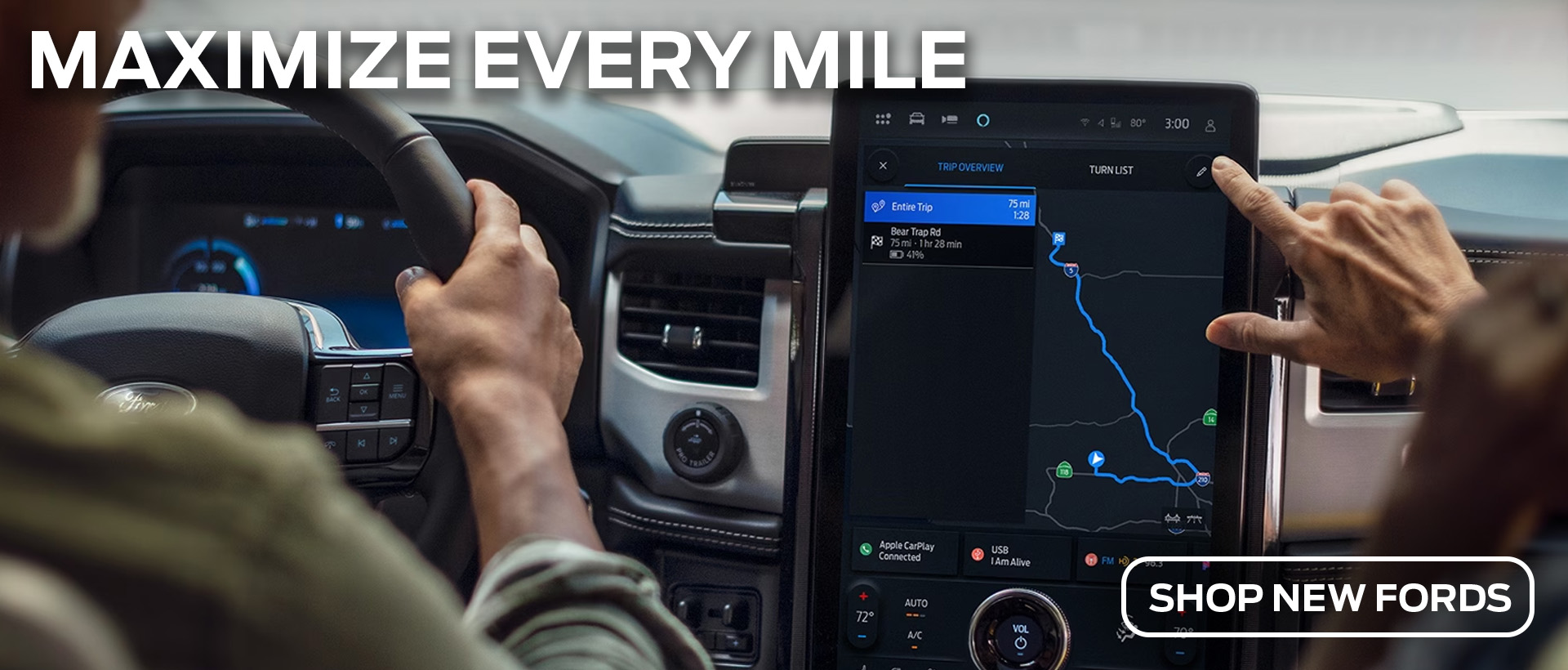
- Use apps and GPS: Modern GPS systems or mapping apps like Google Maps can help you find the fastest and least congested routes.
- Combine trips: Running multiple errands in a single trip instead of several shorter ones can save time and fuel.
Seasonal Tips
Adjust Your Driving for Summer and Winter
Your driving habits should also change with the seasons to maximize fuel efficiency.
- In the summer: Use your air conditioning sparingly. Keeping the A/C on high can drain your fuel quickly, so only use it when necessary. Keeping windows closed at higher speeds also reduces aerodynamic drag.
- In the winter: Use your vehicle’s heating system efficiently, and remember that driving slowly on icy or snowy roads can reduce fuel consumption and improve safety.
Tracking Your Progress
Keeping track of how much fuel you’re using can allow you to track where changes can be made to improve efficiency on the road. Here are some examples of how to save gas by monitoring your driving habits:
- Fuel logs: Many drivers use fuel tracking apps to monitor consumption and see trends in their driving habits.
- Set goals: Setting fuel efficiency targets can motivate you to make improvements and gauge your progress in saving gas.
Switch to Electric or Hybrid Driving
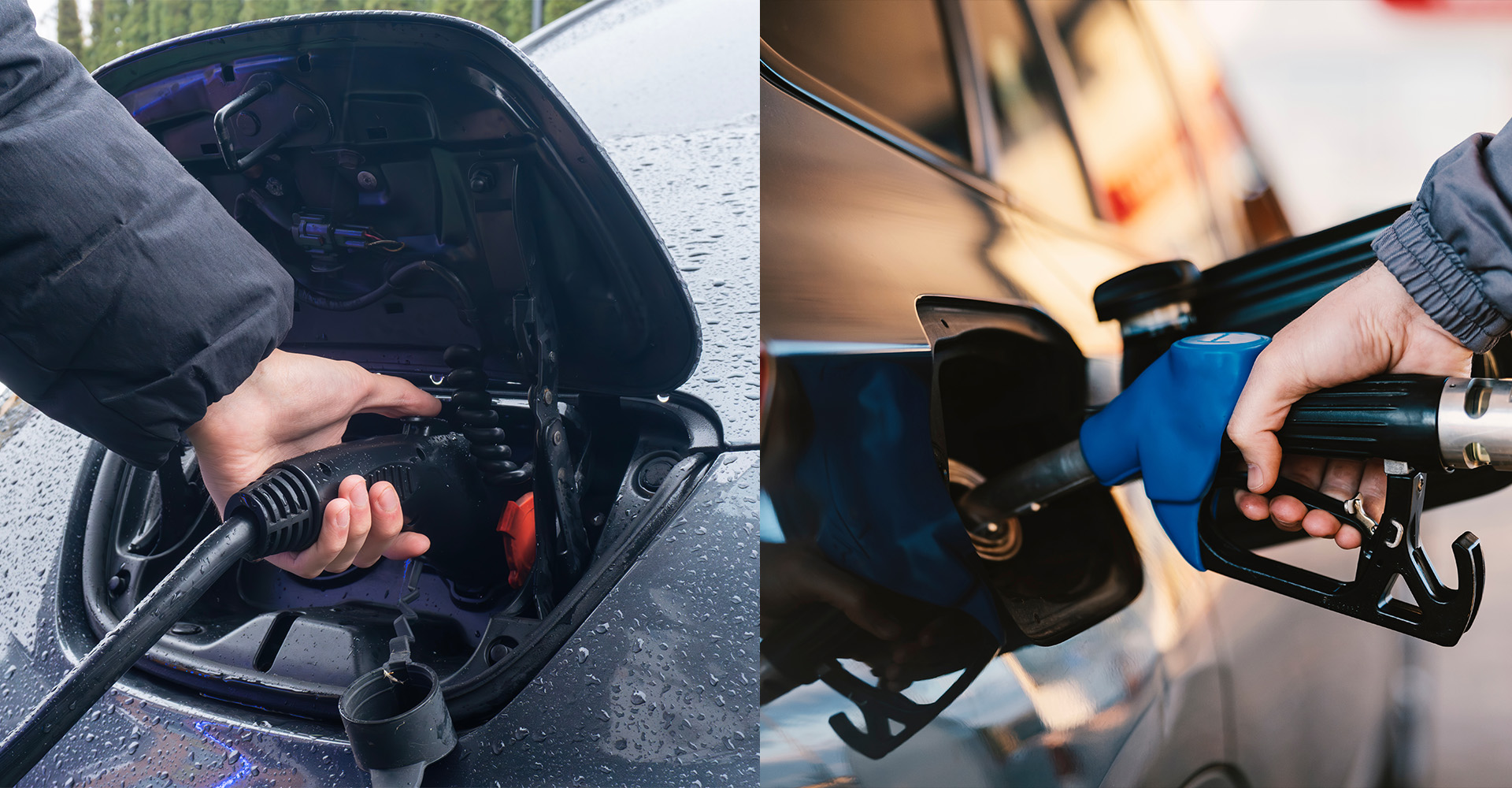
If you’re serious about saving gas and reducing your carbon footprint, switching to an electric vehicle (EV) or a hybrid is a fantastic option. These vehicles are designed to be far more fuel-efficient than traditional gas-powered cars, with some hybrids using little to no fuel at all. Not only will you cut down on gas consumption, but you’ll also enjoy lower maintenance costs and contribute to a cleaner environment. If it’s within your budget and lifestyle, switching to an EV or hybrid could be one of the most impactful steps you take toward saving gas and living more sustainably.
Head to Preston Ford West
By applying these gas-saving tips and adopting a few simple driving techniques, you can significantly reduce your fuel consumption and save money. Whether it’s checking your tire pressure, using cruise control, maintaining your vehicle, or optimizing your route, every small adjustment helps. Keep track of your progress and consider alternative transportation when you can. By making these changes, you’ll save gas and contribute to a greener environment. If you need more tips on how to save gas, head to Preston Ford West to speak with our team and test drive our most fuel-efficient models on the lot today!
Connect with us

