


Diving into the Ford Bronco Sport vs. Jeep Wrangler Specs
When it comes to tackling rugged trails and navigating city streets with equal confidence, two names dominate the conversation: the Ford Bronco Sport vs. Jeep Wrangler. These two off-road SUVs are engineered to handle challenging terrain while offering their own unique appeal. Whether you’re a weekend warrior heading into the wild or a commuter looking for capability and comfort, this comparison dives into everything you need to know, from specs to performance, to decide which vehicle reigns supreme. Keep reading to see what makes the Ford Bronco Sport so special and head to Preston Ford West to test out the winner!
Heritage and Design
The Ford Bronco Sport is a modern SUV infused with heritage charm. Its boxy silhouette, rugged stance, and purposeful features like roof rails and flip-up rear glass make it equally at home downtown or deep in the backwoods. While it may not have the long history of its big sibling, the original Bronco, the Ford Bronco Sport is a nod to the past with technology for today.
The Jeep Wrangler, meanwhile, embraces its legacy with a body-on-frame construction, removable doors, and a fold-down windshield. These features speak to a true off-road culture—but may come at the expense of daily comfort and fuel economy. The Ford Bronco Sport, with its unibody construction, offers smoother on-road performance and superior fuel efficiency, making it an excellent dual-purpose vehicle.
Engine Options
Under the hood, the Ford Bronco Sport offers:
- A 1.5L EcoBoost® engine delivering 180 horsepower and 190 lb.-ft. of torque
- An available 2.0L EcoBoost® engine with 250 horsepower and 277 lb.-ft. of torque
These engines strike a balance between power and fuel efficiency, making the Ford Bronco Sport ideal for both urban commuting and outdoor adventures. The Jeep Wrangler offers a wider variety of engine choices—from a 2.0L turbocharged inline-4 to a powerful V6 and even a plug-in hybrid (4xe). While this variety caters to different needs, it also means higher trims and more expensive packages for similar capability.
Off-Road Performance
The Ford Bronco Sport shines with features like:
- Advanced four-wheel drive
- Terrain Management System™ with G.O.A.T. Modes™
- Trail Control™ for low-speed trail driving
Its eight-speed automatic transmission ensures smooth shifting across both paved and unpaved surfaces.
The Jeep Wrangler is built for ruggedness with:
- A solid front axle
- Disconnecting sway bars
- Rock-Trac® and Command-Trac® 4×4 systems (depending on trim)
While the Jeep Wrangler is clearly tailored for extreme off-roading, the Ford Bronco Sport holds its own on rough terrain—and does so with greater comfort and ease for everyday drivers.
Off-Road Capability
Both vehicles offer serious off-road capability, but in different ways.
The Ford Bronco Sport features:
- Up to 8.8 in. of ground clearance
- Available locking rear differential
- High approach and departure angles
The Jeep Wrangler, especially in higher trims, takes capability to the next level with lift kits, larger tires, and up to 10.8 in. of ground clearance. However, these upgrades often require additional investment.
Fuel Economy and Specifications
Fuel economy is a key differentiator when comparing Ford Bronco Sport vs. Jeep Wrangler Specs:
- Ford Bronco Sport: Up to 25 MPG city / 30 MPG highway
- Jeep Wrangler: Around 20 MPG city / 22 MPG highway
If your lifestyle includes commuting, road trips, and off-road fun, the Ford Bronco Sport’s better efficiency makes it a practical choice.
Comparison of Features
Both SUVs offer an impressive array of features:
- Ford Bronco Sport: LED headlights, roof rails, Ford Co-Pilot360™, and available 8-inch touchscreen
- Jeep Wrangler: Trail-ready gear, optional LED lights, and available Uconnect® infotainment
However, the Ford Bronco Sport’s comfort-focused features—like a smoother ride, noise insulation, and intuitive tech—make it a better everyday vehicle.
Ford Bronco Sport vs. Jeep Wrangler Unlimited
The Ford Bronco Sport vs. Jeep Wrangler Unlimited matchup is worth highlighting. The Jeep Wrangler Unlimited brings four-door versatility and expanded cargo space, but at a cost of higher price and lower fuel economy.
In contrast, the Ford Bronco Sport offers:
- Comparable cargo space
- Exceptional interior comfort
- Better fuel economy
- Standard safety tech
For buyers who want versatility without sacrificing comfort or efficiency, the Ford Bronco Sport edges out the Jeep Wrangler Unlimited in real-world usability.
Safety and Driver Assistance
Safety matters—especially when venturing off the beaten path.
The Ford Bronco Sport comes standard with Ford Co-Pilot360, which includes:
- Blind Spot Information System (BLIS®)
- Lane-Keeping System
- Pre-Collision Assist with Automatic Emergency Braking
The Jeep Wrangler offers similar features, but many are optional or available only on higher trims. This gives the Ford Bronco Sport a strong edge in standard safety tech.
Trims and Customization
The Ford Bronco Sport is available in trims like the Base, Big Bend®, Outer Banks®, Badlands®, and more—each designed for a different type of adventure.
The Jeep Wrangler lineup includes the Sport, Sahara, Rubicon, and Unlimited trims. While Jeep offers robust customization, many desirable features come at a premium.
Ford Bronco Sport trims deliver value, variety, and versatility, making it easier to find the right fit without breaking the bank.
Final Thoughts: The Best of Both Worlds
When comparing the Ford Bronco Sport vs. Jeep Wrangler, it’s clear both vehicles have their strengths. The Jeep Wrangler is legendary for its off-road toughness and customizability. But if you’re looking for an SUV that blends off-road capability with fuel economy, safety, and everyday usability, the Ford Bronco Sport comes out on top. Whether you’re hitting the trails or cruising the highway, the Ford Bronco Sport is the perfect companion for adventure without compromise.
Ready to Test Drive the Winner?
Experience the capability, comfort, and style of the Ford Bronco Sport today. Visit Preston Ford West to explore trims, compare features, and find the Ford Bronco Sport that’s built for your adventure.

The SUV Comparison You’ve Been Waiting For
When it comes to rugged capability, head-turning style, and modern tech, two names often top the list—Ford Bronco vs. Jeep Grand Cherokee. These iconic SUVs are built to tackle tough terrain while offering a refined experience on the road. But which one is the better fit for your lifestyle? Let’s dive into a detailed comparison to help you decide—and discover why the Ford Bronco is quickly becoming the preferred choice for drivers who crave adventure, capability, and cutting-edge design. Follow along to learn more about the iconic Ford Bronco and head to Preston Ford West to get behind the wheel for a test drive.
Exploring SUV Capability: Ford Bronco vs. Jeep Grand Cherokee
Both the Ford Bronco and Jeep Grand Cherokee offer impressive features, making them stand out in a crowded SUV market. They cater to different types of drivers—from daily commuters to off-road thrill-seekers. When comparing the two, key considerations include performance, space, comfort, technology, and towing capacity. If you’re feeling overwhelmed by the options, don’t worry. We’ve outlined the most important differences so you can make a confident decision, and even schedule a test drive to see how the legendary Ford Bronco drives firsthand.
Vehicle Features and Capabilities
Let’s start with the heart of any SUV: performance. The Jeep Grand Cherokee delivers with a strong 8-speed automatic transmission and a reliable 4WD system. But the Ford Bronco goes further with a versatile lineup of engine options designed to match your power needs:
- Standard 2.3L EcoBoost® Engine: Provides 300 horsepower and 315 lb.-ft. of torque
- Available 2.7L EcoBoost® V6: Provides 330 horsepower and 415 lb.-ft. of torque (with premium fuel)
- Available 3.0L EcoBoost® V6: Provides A thrilling 418 horsepower and 440 lb.-ft. of torque
When it comes to capability, the Ford Bronco doesn’t hold back. Every trim level comes equipped with the High-Performance Off-Road Stability Suspension (HOSS) System and Terrain Management System™, giving you confidence whether you’re navigating the city or blazing a trail in the wilderness.
Additional off-road upgrades include:
- Steel bash plate protection
- Electric Front and Rear-Locking Differentials
- Front stabilizer bar disconnect
- Available Sasquatch® Package with lifted suspension and mud-terrain tires
Space and Comfort
Inside, the Jeep Grand Cherokee provides a comfortable ride with seating for up to five and ample legroom. However, the Ford Bronco takes interior versatility to a new level, especially for active families and adventure lovers.
Bronco Interior Highlights:
- Up to 83 cu.ft. of cargo space in 4-door soft top models with the second row folded
- Durable rubberized floor mats with drain plugs for easy cleanup after your off-road excursions
- FordPass® Connect, 12-in. LCD Touchscreen, and Enhanced Voice Recognition
- Wireless Apple CarPlay® and Android Auto™
- Leather-wrapped steering wheel and Bronco-branded gear shifter
- Available Ford Co-Pilot360™ safety tech and 360-Degree Camera
Whether you’re headed to the mountains or the grocery store, the Ford Bronco offers the comfort, flexibility, and tech-savvy features you need to enjoy every mile.
Performance and Towing
The Jeep Grand Cherokee shines with a max towing capacity of 6,200 lbs., perfect for hauling trailers and larger loads. But the Ford Bronco holds its own with a towing capacity of 3,500 lbs. on most trims—enough for small campers, boats, or utility trailers. Need more muscle? The Ford Bronco Raptor® ups the ante with an available towing capacity of 4,500 lbs. Where the Ford Bronco truly outshines is off-road performance. With trail-tuned suspension, aggressive tires, and next-level articulation, the Ford Bronco is built for the wild—no modifications necessary.
The Verdict: Why Choose the Ford Bronco?
While both SUVs have their merits, the Ford Bronco delivers a complete package of bold performance, next-gen technology, and adventure-ready engineering. It’s a vehicle made not just to drive, but to experience. Whether you’re looking to climb mountains or command the highway, the Ford Bronco is built to keep up with your lifestyle.
Ready to Take the Reins?
Compare the Ford Bronco vs. Jeep Grand Cherokee in person and see the Bronco difference for yourself. Discover the SUV built for thrill-seekers and test drive a Ford Bronco at Preston Ford West.

Ford Bronco vs. Jeep Gladiator: Which Off-Road Champion Takes the Trophy?
When it comes to off-road adventure vehicles, few match the rugged charm and capabilities of the Ford Bronco and Jeep Gladiator. These two titans of terrain have earned their stripes among off-road enthusiasts, offering power, performance, and personality. But in the battle of Ford Bronco vs. Jeep Gladiator, which one truly reigns supreme when the pavement ends? Let’s break it down and discover why the Ford Bronco emerges as the clear winner in this off-road faceoff. Head to Preston Ford West for a closer look at the off-roading champion today!
A Legend On & Off-Road
The Ford Bronco was engineered for off-road dominance, from treacherous mountain paths to muddy trails. Here’s what gives it the edge:
- Up to 13.1-inch Ground Clearance – Glide over rocks, roots, and obstacles with confidence.
- Water Fording Up to 37 inches – Cross streams and flooded trails with ease.
- Class-Leading Angles—47.2º approach, 30.8º break over, and 40.5º departure angles make navigating steep inclines and sharp drop-offs second nature.
- G.O.A.T. Modes™ (Goes Over Any Type of Terrain) – With up to seven selectable drive modes, the Ford Bronco adapts seamlessly to sand, mud, snow, rock, and more.
- Three Turbocharged Engine Options – Get the power you need, when you need it.
Towing Capacity Up to 4,500 lbs. – Haul gear or trailers with confidence.
No matter the terrain, the Ford Bronco delivers a balanced blend of capability, comfort, and customization that puts it ahead in the Ford Bronco vs. Jeep Gladiator off-road debate.
Vehicle Overview and History
The Jeep Gladiator is a midsize pickup truck rooted in the legendary legacy of the Wrangler. It boasts rugged construction, solid axles, and trail-ready components. But with its truck bed and longer wheelbase, it leans more utility than agility.
The Ford Bronco, reborn from an iconic heritage, takes a more balanced approach. It’s built for serious off-road adventures yet refined enough for everyday comfort. Unlike the Jeep Gladiator’s utilitarian vibe, the Ford Bronco’s return to the spotlight has been nothing short of revolutionary for off-roaders who want both thrill and finesse.
Interior Space and Comfort Features
Inside, the Jeep Gladiator provides a roomy cabin with ample space for passengers and gear. Its interior is practical and straightforward, catering to those who prioritize ruggedness.
The Ford Bronco, however, sets a new benchmark for comfort in off-road vehicles:
- Marine-Grade Vinyl & Washable Floors – Clean up is quick and easy after muddy treks.
- Available Heated Seats & Steering Wheel – Stay warm in the mountains or during winter expeditions.
- Massive 12-inch Touchscreen – Control tech with ease, from navigation to audio.
- B&O® Sound System – Bring premium audio to the wilderness.
- Rear Passenger Air Vents (New for 2025) – Ensures everyone stays comfortable, regardless of the weather.
- Personalization Packages & Ford Accessories – Adapt your Ford Bronco to suit your lifestyle.
The Ford Bronco proves that utility doesn’t mean sacrificing comfort, and it does so better than the Jeep Gladiator.
Off-Road Capabilities and Features
The Jeep Gladiator Rubicon comes with a disconnecting front sway bar, rock rails, and a solid 4×4 system. But its longer wheelbase and pickup design can limit maneuverability on tight trails.
Enter the Ford Bronco Badlands®, equipped with:
- Advanced 4×4 with Automatic On-Demand Engagement
- Electronic-locking front and rear differentials
- Trail Control™ for low-speed, off-road cruise control
- HOSS (High-Performance Off-Road Stability Suspension) System
Coupled with superior angles and the innovative G.O.A.T. Modes™, the Ford Bronco handles diverse terrain more effortlessly and intuitively than the Jeep Gladiator. In the real-world comparison of Ford Bronco vs. Jeep Gladiator off-road, the Ford Bronco’s versatility simply outpaces the competition.
Test Drive and Hands-On Experience
After test-driving both vehicles, one thing became clear: the Ford Bronco delivers a more composed and confident experience across various environments. While the Jeep Gladiator feels like a capable off-road truck, its size and truck-like handling make it better suited to straight trails and open paths. The Ford Bronco, in contrast, feels agile and responsive, equally at home crawling over rocks as it is cruising on the highway. Come experience it for yourself — schedule your test drive today at our Ford dealership and discover the Ford Bronco difference.
Safety Features and Considerations
Both vehicles offer modern safety features such as airbags, traction control, and electronic stability systems. However, the Ford Bronco includes more advanced driver-assist technologies as standard or available:
- Blind-Spot Monitoring with Cross-Traffic Alert
- Lane-Keeping System
- 360-Degree Camera with Off-Road Views
- Post-Collision Braking
While the Jeep Gladiator offers off-road-specific tools like front-facing trail cameras, the Ford Bronco’s suite of smart Ford safety tech is more well-rounded for on-road and off-road adventures alike.
Reliability and Durability
Both vehicles are built to last, but their complexity varies. The Jeep Gladiator’s additional off-road components, like disconnecting sway bar, may demand more frequent maintenance. The Ford Bronco is designed with fewer moving parts in its off-road systems and a simpler approach to ruggedness, resulting in greater long-term reliability and fewer surprises under the hood.
Maintenance and Repair
Whether you choose the Jeep Gladiator vs. Ford Bronco, routine maintenance is key. However, the Ford Bronco’s maintenance schedule is more straightforward, and service is a breeze at our state-of-the-art service center. Enjoy the perks of our exclusive Preston for Life program, including complimentary oil changes and discounted service plans to keep your Ford Bronco running strong through every season.
And the Winner Is…
In the battle of Ford Bronco vs. Jeep Gladiator, both vehicles shine in different ways. But the Ford Bronco is a clear winner as it is more agile, better equipped, and designed to handle the unexpected, all while keeping you comfortable and confident. Whether it’s your first time off-road or you’re a seasoned trailblazer, the Ford Bronco proves again and again that it’s more than just a contender — it’s the ultimate off-road champion.
Visit Preston Ford West today to see the Ford Bronco in all its glory and take command of your next adventure!

The Ultimate Off-Road Showdown
In the world of extreme off-roading, two names rise above the rest—Ford Bronco Raptor vs. Jeep 392. These titans of trail performance represent the best of what automakers can offer for adventure enthusiasts. Whether you’re scaling rocky cliffs or tearing through sand dunes, both the Ford Bronco Raptor and Jeep Wrangler Rubicon 392 promise heart-pounding excitement and rugged capability. But when it comes to the ultimate off-road companion, the Ford Bronco Raptor stands in a league of its own. Keep reading to compare the Ford Bronco Raptor vs. Jeep Wrangler 392 and head to Preston Ford West to test drive the Ford Bronco Raptor!
A New Legend vs. A Time-Tested Icon
The Jeep Wrangler 392 is no stranger to the off-road scene. A longtime favorite among overland purists, it carries the legacy of Jeep’s heritage with a traditional, utilitarian design. Meanwhile, the Ford Bronco Raptor is the bold newcomer, engineered for high-speed trail dominance and loaded with cutting-edge off-road technology. The Ford Bronco Raptor’s standout features—like Live Valve 3.1 Internal Bypass Semi-Active Dampers and massive 37-inch all-terrain tires—set a new benchmark in the segment. Jeep may have history, but the Ford Bronco Raptor is paving the future of off-roading.
Exterior Design: Aggressive vs. Classic
From the first glance, the Ford Bronco Raptor commands attention. Its wider stance, unique bolt-on fenders, and Raptor-specific grille radiate authority. Add removable doors and top, a heavy-duty modular bumper, and steel bash plates, and you’ve got a beast ready to conquer any environment. By contrast, the Jeep Wrangler 392 maintains its iconic silhouette—a look that’s familiar but arguably outdated. It’s rugged, yes, but it lacks the modern aggression and visual punch that the Ford Bronco Raptor delivers.
Interior Features
When it comes to interior innovation, the Ford Bronco Raptor once again pulls ahead with a high-tech, spacious cockpit designed for both rugged utility and modern comfort. Drivers are greeted by a 12-inch LCD digital instrument cluster that provides clear, customizable vehicle information at a glance. The immersive B&O Sound System with 12 speakers delivers premium audio quality, while the SYNC® 4 system with a 12-in. touchscreen offers seamless connectivity and enhanced voice recognition. Rubberized, washout-capable flooring makes post-adventure cleanup effortless for those who live for the dirt and dust. Off-road control is elevated with the Terrain Management System (TMS) featuring seven selectable G.O.A.T. Modes®, tailored for everything from sand to rock crawling. Tech-savvy passengers will appreciate wireless Apple CarPlay® and Android Auto™ compatibility, along with dual smart-charging USB ports in all rows to keep devices powered on the go. By comparing the Ford Bronco Raptor vs. Jeep Wrangler 392, the Jeep Wrangler 392 delivers on traditional comfort and includes a functional, cozy interior, but it lacks the modern flair and cutting-edge features that make the Ford Bronco Raptor feel like a next-generation off-road cockpit. For those seeking innovation and versatility, the Ford Bronco Raptor clearly takes the lead.
Off-Road Prowess: Where It Really Counts
When it comes to capability, the Ford Bronco Raptor vs. Jeep Wrangler 392 showdown becomes a true battle of power versus tradition. The Ford Bronco Raptor is equipped with an optional 418-horsepower 3.0L EcoBoost® V6, combined with a race-proven suspension system and massive 37-inch tires, giving it the ability to charge over rough terrain with unmatched confidence and control. In contrast, the Jeep Wrangler 392 features a formidable 6.4L HEMI® V8 that delivers 470 horsepower, but it lacks the Ford Bronco’s advanced dampers and high-speed trail agility. The Ford Bronco Raptor isn’t just built to climb—it’s built to fly. With its FOX Live Valve shocks and enhanced chassis engineering, it delivers fast, stable, and responsive performance across a wider range of off-road environments, making it a more versatile and composed performer when the terrain gets truly challenging.
Trail Testing: Performance in the Wild
Both SUVs impress in real-world tests across rocky hills, muddy trails, and sandy dunes, but one clearly leads. The Ford Bronco Raptor’s superior suspension and traction systems allowed it to maintain speed and control even in the harshest environments.
The Jeep Wrangler 392 tackled obstacles with grit, but lacked the refinement and high-speed stability that the Ford Bronco Raptor displayed. When compared side-by-side, the Ford Bronco Raptor proves itself as the ultimate off-road machine, blending raw power with refined control.
Final Verdict: Why the Ford Bronco Raptor Wins
The Ford Bronco Raptor vs. Jeep Wrangler 392 comparison proves one thing: evolution beats tradition. While the Jeep Wrangler 392 brings nostalgic charm and brute force, the Ford Bronco Raptor offers modern innovation, aggressive styling, and a level of off-road precision that’s hard to match. Whether you’re a weekend warrior or a hardcore trailblazer, the Ford Bronco Raptor delivers unmatched capability, comfort, and thrill. In the Jeep Wrangler 392 vs. Ford Bronco Raptor faceoff, the Bronco emerges as the new king of the trail. Want to put the Ford Bronco Raptor to the test? Head to Preston Ford West for a test drive today!
Ford Bronco Sport Fuel Efficiency

Understanding Ford Bronco Sport Gas Mileage and Efficiency: What You Need to Know
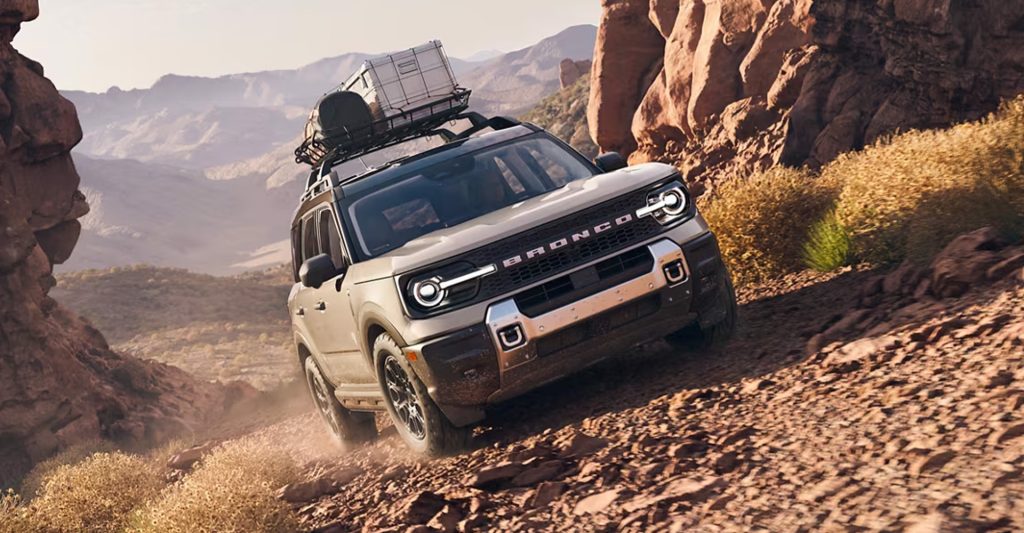
The Ford Bronco Sport is a compact SUV designed for both off-road adventures and daily driving. Known for its rugged design and versatility, the Ford Bronco Sport features all-wheel drive, steel skid plates, and a choice between two powerful engines. With several trims available, including the popular Ford Bronco Sport Outer Banks model, the Ford Bronco Sport caters to a variety of driving needs. Keep reading to learn all about the Ford Bronco Sport’s fuel efficiency, and head to Preston Ford West to find a model to suit your driving needs!

2025 Ford Bronco Sport Fuel Economy
The Ford Bronco Sport boasts an EPA-estimated fuel economy of up to 25 MPG in the city and 29 MPG on the highway. However, your Ford Bronco Sport fuel efficiency can differ across the board depending on factors such as personal driving habits, road conditions, and your vehicle maintenance upkeep. The three-cylinder engine achieves 25 MPG in the city and 29 MPG on the highway, and the more robust four-cylinder version drops to 26 MPG on the highway and 21 MPG in the city. Equipped with a 16-gallon gas tank, the Ford Bronco Sport gas type runs on regular unleaded gas, allowing for a perfect balance between performance and efficiency.
Ford Bronco Sport Gas Tank Size
The Ford Bronco Sport features a 16-gallon fuel capacity, providing ample range for both city driving and off-road adventures.
Engine, Transmission, and Performance
The Ford Bronco Sport offers two engine options:
- A 1.5L EcoBoost® engine with 181 horsepower
- A 2.0L EcoBoost® engine with 250 horsepower
Both engines are paired with an eight-speed automatic transmission and all-wheel drive for a smooth and responsive driving experience. With a maximum towing capacity of up to 2,700 lbs., the Ford Bronco Sport is built for adventure and utility.
Off-Roading Capabilities
Designed for off-road enthusiasts, the Ford Bronco Sport comes equipped with features such as steel skid plates, rear bumpers, and multiple drive modes. With a ground clearance of up to 8.8 inches, the Ford Bronco Sport can handle rough terrains and challenging trails. The Ford Bronco Sport Outer Banks model is particularly well-suited for off-roading, featuring all-terrain tires and an aggressive suspension system.
Comparison to Other Vehicles
The Ford Bronco Sport stands out in the compact SUV market due to its unique combination of off-road capability and on-road comfort. With superior fuel efficiency and performance, the Ford Bronco Sport is an attractive option for those who want versatility without compromising efficiency. The Outer Banks trim level, in particular, offers enhanced off-road features, making it a top choice for adventure seekers.
Efficient Adventures Ahead
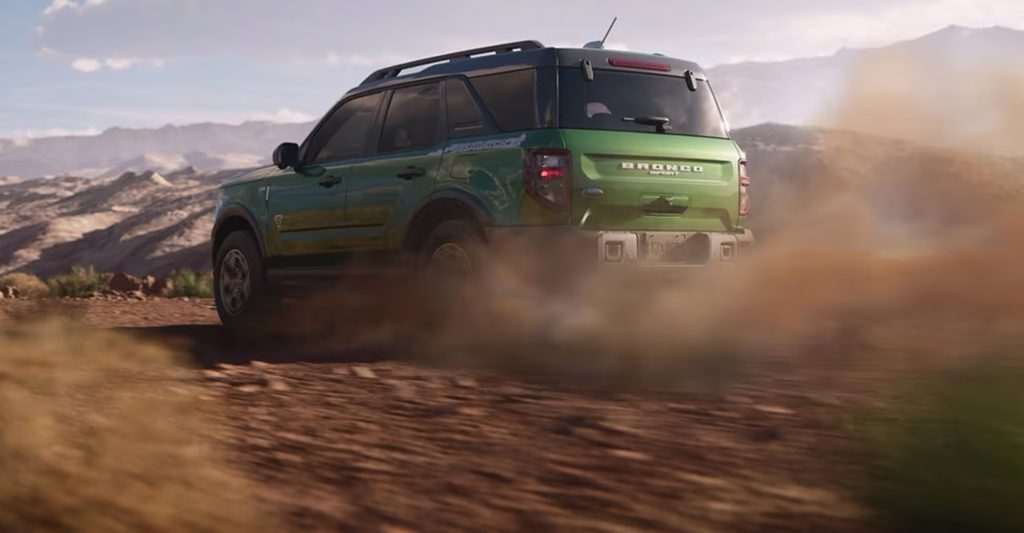
The Ford Bronco Sport is a versatile and capable compact SUV that excels in both off-road adventures and daily driving. With its impressive Ford Bronco Sport fuel efficiency, robust performance, and advanced driver assistance features, this SUV is a top choice for a wide range of drivers. Whether you’re seeking thrilling off-road experiences or a reliable and comfortable daily driver, the Ford Bronco Sport delivers on all fronts. Visit Preston Ford West to test drive the Ford Bronco Sport today!
How Much Does A Hybrid Save On Gas?

A Practical Guide to Savings
Thinking about making the switch to a hybrid, but wondering, “how much does a hybrid save on gas?” You’re not alone! With fuel prices always fluctuating, many drivers are looking for ways to cut costs without sacrificing performance. Hybrid vehicles offer an efficient blend of gas and electric power, helping you spend less at the pump while reducing your carbon footprint. In this practical guide, we’ll break down the real-world savings of driving a hybrid, compare costs to traditional gas-powered cars, and help you determine if a hybrid is the right choice for your budget. Let’s dive into the numbers and see just how hybrid cars save money and take a Ford hybrid for a test drive at Preston Ford West!
What is a Hybrid Vehicle?
A hybrid vehicle combines a conventional gasoline engine with an electric motor to improve fuel efficiency and reduce emissions. These vehicles are designed to maximize fuel economy by utilizing electric power at low speeds and seamlessly switching to gasoline when necessary.
Benefits of Hybrid Vehicles:
- Significant fuel savings
- Lower emissions and environmental benefits
- Federal and state tax incentives
- Reduced maintenance costs due to regenerative braking and less engine wear
Hybrid Cars MPG Comparison
Hybrid cars offer a significant advantage in fuel efficiency, typically achieving 20-35% better miles per gallon (MPG) compared to traditional gas-powered vehicles. MPG is a crucial measure of fuel economy, indicating how far a car can travel on a single gallon of fuel—higher MPG translates to lower fuel costs and reduced environmental impact. Several factors influence a vehicle’s fuel efficiency, including driving habits, speed, road conditions, terrain, and proper vehicle maintenance. Smooth acceleration, moderate speeds, well-maintained tires, and regular servicing can all contribute to maximizing a hybrid vehicle’s MPG, making it a smart choice for cost-conscious and eco-friendly drivers.

Fuel Savings Hybrid vs. Gas
A hybrid car saves drivers hundreds to thousands of dollars annually on fuel costs.
Estimating Annual Fuel Costs:
Assuming gas costs $3.50 per gallon, and the vehicle is driven 15,000 miles per year:
- Ford Escape Hybrid (39 MPG): $1,346 per year
- Traditional SUV (25 MPG): $2,100 per year
- Annual Savings: $754+
Long-Term Savings Potential:
Over 5 years, hybrid owners could save $3,000–$5,000+ on fuel alone.
Resale Value: A Hybrid that Keeps on Giving
How Hybrids Retain Value:
- Hybrids often have higher resale values due to increased fuel efficiency demand.
- A well-maintained hybrid can be worth $4,000–$6,000 more than a gas equivalent after several years.
Choosing the Right Hybrid Car
Factors to Consider:
- Driving style and fuel economy needs
- Budget and available incentives
- Vehicle features and technology
Built Ford Tough® Hybrid Models
Ford offers an impressive lineup of hybrid models that combine fuel efficiency with the power and reliability you expect. From the versatile Ford Escape Hybrid, perfect for families and commuters, to the rugged Ford F-150 PowerBoost® Hybrid, which delivers best-in-class towing and capability, there’s a hybrid for every lifestyle. The Ford Maverick Hybrid stands out as an affordable, fuel-sipping compact truck, while the Ford Explorer Hybrid balances performance and spaciousness for adventure-ready drivers. When you shop at Preston Ford West, you get more than just a great selection. You experience exceptional customer service, exclusive deals, and a team committed to finding the perfect hybrid to fit your needs. Plus, with Preston’s dedication to community and customer satisfaction, you can drive away knowing you made the right choice. Stop by today and take a Ford hybrid for a test drive!

Maintenance and Repair: Less is More
Now that we’ve covered the question, “how much does a hybrid save on gas?” we can cover maintenance costs. When it comes to maintenance and repairs, Ford hybrids prove that less is more. With regenerative braking reducing wear on brake pads and fewer oil changes required, owners can enjoy significantly lower maintenance costs over time. Plus, Ford’s commitment to durability ensures that hybrid components are built to last, offering drivers a reliable and efficient vehicle with minimal upkeep. This means more time on the road and less time in the shop, making Ford hybrids a smart choice for those looking to save on maintenance without compromising performance.
Maximizing Your Savings: Tips and Tricks
- Drive smoothly and avoid sudden acceleration.
- Keep tires properly inflated for optimal fuel efficiency.
- Utilize eco-driving modes to extend fuel savings.
The Future of Hybrid Vehicles: Trends and Innovations
- Advancements in battery technology will extend hybrid range and efficiency.
- More hybrid truck and SUV options will provide fuel savings for larger vehicles.
- Integration of hybrid technology into performance vehicles for improved power and efficiency.
Is a Ford Hybrid Right for You?
If you’re looking to save on fuel, reduce maintenance costs, and increase resale value, a hybrid vehicle, especially a Ford Hybrid, is a great investment. With long-term savings and environmental benefits, making the switch to a hybrid is a smart choice for drivers wanting to maximize efficiency while staying ahead of the curve. Head to Preston Ford West to test drive a Ford hybrid model!
2025 Ford Escape Fuel Efficiency

All About the Ford Escape Gas Mileage
The Ford Escape is a compact SUV that blends style, comfort, and impressive fuel efficiency. As a reliable and eco-conscious choice, the 2025 Ford Escape’s fuel economy is top-notch, integrating features that enhance both driver comfort and convenience. Equipped with advanced technologies and efficient engine options, the Ford Escape helps drivers save fuel and reduce their environmental impact. The compact SUV offers both Front-Wheel Drive (FWD) and All-Wheel Drive (AWD) options, providing flexibility to optimize fuel efficiency based on driving preferences. Keep reading to learn more about Ford Maverick fuel efficiency, and head to Preston Ford West to browse our current inventory!
Engine Options and Performance
The 2025 Ford Escape is available with several engine options, with each designed to balance power and efficiency on the go:
- 1.5L EcoBoost® Engine (Standard) with an eight-speed automatic transmission for smooth and responsive performance.
- Available 2.0L EcoBoost® Engine offers enhanced power for drivers seeking a dynamic driving experience.
- Available 2.5L I-4 Hybrid Engine for exceptional fuel efficiency and reduced emissions.
- Plug-in Hybrid 2.5L I-4 Engine for a combination of gas and electric power, maximizing fuel economy.
FWD Ford Escape Fuel Efficiency
The FWD Ford Escape is designed to deliver impressive fuel efficiency without compromising on performance depending on the 2025 Ford Escape gas type. With its 1.5L EcoBoost® engine, drivers can enjoy a smooth and efficient ride, achieving 27 MPG in the city and 34 MPG on the highway, making it a great choice for both urban commutes and highway adventures. If maximizing efficiency is your goal, the 2.5L I-4 Hybrid engine offers a remarkable 42 MPG in the city and 36 MPG on the highway, helping you go farther with fewer stops at the pump. For those looking to embrace electric power, the Plug-in Hybrid 2.5L I-4 takes efficiency to the next level, offering an impressive 101 MPGe combined and an EPA-estimated all-electric range of 37 miles which is perfect for short daily drives without using a drop of gas. Whether you’re prioritizing fuel savings, eco-conscious driving, or a balance of both, the FWD Ford Escape gives you the freedom to drive smarter.
AWD Ford Escape Fuel Efficiency
If you’re looking for a versatile SUV that balances power and efficiency, the 2025 Ford Escape fuel efficiency with AWD has plenty to offer. With several engine options, you can choose the perfect combination of performance and MPG to fit your lifestyle. The 1.5L EcoBoost® engine delivers an impressive 26 MPG in the city and 32 MPG on the highway, ideal for daily commuting with efficiency in mind. Need a bit more power? The 2.0L EcoBoost® still provides solid fuel economy at 23 MPG city and 31 MPG highway while enhancing performance. For those prioritizing efficiency, the 2.5L I-4 Hybrid engine takes it up a notch with an outstanding 42 MPG city and 36 MPG highway, making fewer stops at the pump a reality for the 2025 Ford Escape Hybrid gas mileage. The Plug-in Hybrid 2.5L I-4 offers even greater potential for the ultimate eco-conscious choice, though official EPA ratings for AWD are not available. No matter your driving needs, the AWD Ford Escape blends capability with smart fuel savings.
Ford Escape Gas Tank Size
The fuel tank capacity varies by engine type:
- 1.5L EcoBoost®: 14.8–15.7 gallons
- 2.0L EcoBoost®: 15.7 gallons
- 2.5L Hybrid: 14.3 gallons
- 2.5L Plug-in Hybrid: 11.1 gallons
Advanced Technologies for Better Fuel Economy
The 2025 Ford Escape features innovative technologies designed to optimize fuel efficiency:
- Active aerodynamics and lightweight materials enhance performance and reduce fuel consumption.
- Automatic Start/Stop technology conserves fuel by shutting off the engine at stops.
- Regenerative braking captures energy to improve efficiency in hybrid models.
- Eco-driving modes help drivers maximize fuel savings.
Comparison to Other Models
Beyond the 2025 Ford Escape fuel efficiency, this SUV stands out in its class with features such as:
- Compact yet powerful: The Ford Escape offers a balance of fuel efficiency and performance, making it an all-around top choice for both city and highway driving.
- Multiple powertrain options: From the EcoBoost® to the hybrid engine, the Ford Escape provides versatility to suit different driver needs.
- Eco-friendly advancements: The plug-in hybrid model offers exceptional fuel efficiency and an all-electric driving range.
Factors Affecting Fuel Efficiency
Multiple factors influence the 2025 Ford Escape fuel efficiency:
- Driving habits: Smooth acceleration and consistent speeds enhance fuel economy.
- Road conditions: City driving typically results in lower MPG than highway driving.
- Weather and traffic: Cold temperatures and heavy traffic can reduce efficiency.
- Vehicle maintenance: Regular servicing, proper tire inflation, and clean air filters improve MPG.
Escape More Efficiently
Visit Preston Ford West to learn more about the impressive Ford Escape fuel efficiency. Whether you’re a driver who prioritizes performance, eco-friendliness, or long-term savings, the Ford Escape is a smart choice for fuel-conscious drivers.
How To Save Gas: Gas Saving Tips

Most Fuel-Efficient Way to Drive: Our Top Tips
Wondering how to use less gas? In today’s world, gas prices continually fluctuate, making it even more important to adopt driving habits that help you save fuel. Whether you’re looking to cut down on fuel costs or simply do your part for the environment, you can improve your driving habits to use less gas in several ways. In this blog, we’ll cover the best gas-saving tips, efficient driving techniques, and other practical advice on how to save gas while driving. Head to Preston Ford West to view our inventory of Built Ford Tough® fuel-efficient vehicles today and discover more gas-saving tips below!
Driving Techniques to Save Fuel: Pre-Trip Preparations
Check Your Tire Pressure
One of the easiest ways to improve fuel efficiency is to ensure that your tires are properly inflated. Tires that are under-inflated increase rolling resistance, meaning your engine has to work harder, leading to higher fuel consumption. In fact, properly inflated tires can improve your fuel economy by up to 3%.
- How to check: Use a tire pressure gauge to measure your tire pressure and compare it to the level recommended by your vehicle’s manufacturer (found in the owner’s manual or on a sticker inside the driver’s door).
- Tip: Check tire pressure at least once a month and before long trips.
Efficient Driving Techniques
Accelerate Gently and Maintain a Steady Speed
One of the most effective driving techniques to save fuel is to avoid sudden accelerations. Rapid acceleration uses more gas than gradually increasing speed. Try to keep your acceleration smooth, and maintain a steady speed when driving.
- Use cruise control: On highways, using cruise control can help maintain a constant speed, which improves fuel efficiency and reduces driver fatigue.
- Avoid harsh braking and acceleration: Sudden stops and starts are inefficient and increase fuel consumption, so make a conscious effort to drive smoothly.
Eliminate Excess Weight
One simple yet effective way of how to save gas is by removing excess weight from your vehicle. Avoid keeping unnecessary items in your car, especially heavy ones. While it might seem like a small thing, just an extra 100 pounds could reduce your miles per gallon (MPG) by up to 2 percent. Over time, this can add up, making it an easy and free way to boost your fuel efficiency and get more miles out of every gallon.
Anticipate Traffic and Coast to Decelerate
Another technique for reducing fuel consumption is anticipating the flow of traffic and coasting to decelerate. This means easing off the accelerator early so you can coast to a stop rather than slamming on the brakes.
- Plan ahead: Look ahead to identify traffic signals or potential slowdowns and ease off the accelerator when approaching them.
- Maintain a safe following distance: By keeping enough space between you and the vehicle ahead, you can anticipate braking earlier, reducing the need for sudden stops.
Smart Driving Habits
Regular Maintenance for Better Fuel Consumption
Vehicle maintenance plays a significant role in fuel efficiency. Ensuring that your vehicle is running optimally can help reduce fuel consumption and improve your overall gas mileage.
- Routine checkups: Regular tune-ups, oil changes, and replacing air filters are all essential for maintaining fuel efficiency.
- Keep tires properly inflated. This improves safety and ensures your car uses less energy to move.
Route Optimization
Plan Your Route for Better Gas Mileage
A little planning can go a long way in saving gas. By optimizing your route, you can avoid congested areas, construction zones, and long detours that waste fuel.
- Use apps and GPS: Modern GPS systems or mapping apps like Google Maps can help you find the fastest and least congested routes.
- Combine trips: Running multiple errands in a single trip instead of several shorter ones can save time and fuel.
Seasonal Tips
Adjust Your Driving for Summer and Winter
Your driving habits should also change with the seasons to maximize fuel efficiency.
- In the summer: Use your air conditioning sparingly. Keeping the A/C on high can drain your fuel quickly, so only use it when necessary. Keeping windows closed at higher speeds also reduces aerodynamic drag.
- In the winter: Use your vehicle’s heating system efficiently, and remember that driving slowly on icy or snowy roads can reduce fuel consumption and improve safety.
Tracking Your Progress
Keeping track of how much fuel you’re using can allow you to track where changes can be made to improve efficiency on the road. Here are some examples of how to save gas by monitoring your driving habits:
- Fuel logs: Many drivers use fuel tracking apps to monitor consumption and see trends in their driving habits.
- Set goals: Setting fuel efficiency targets can motivate you to make improvements and gauge your progress in saving gas.
Switch to Electric or Hybrid Driving
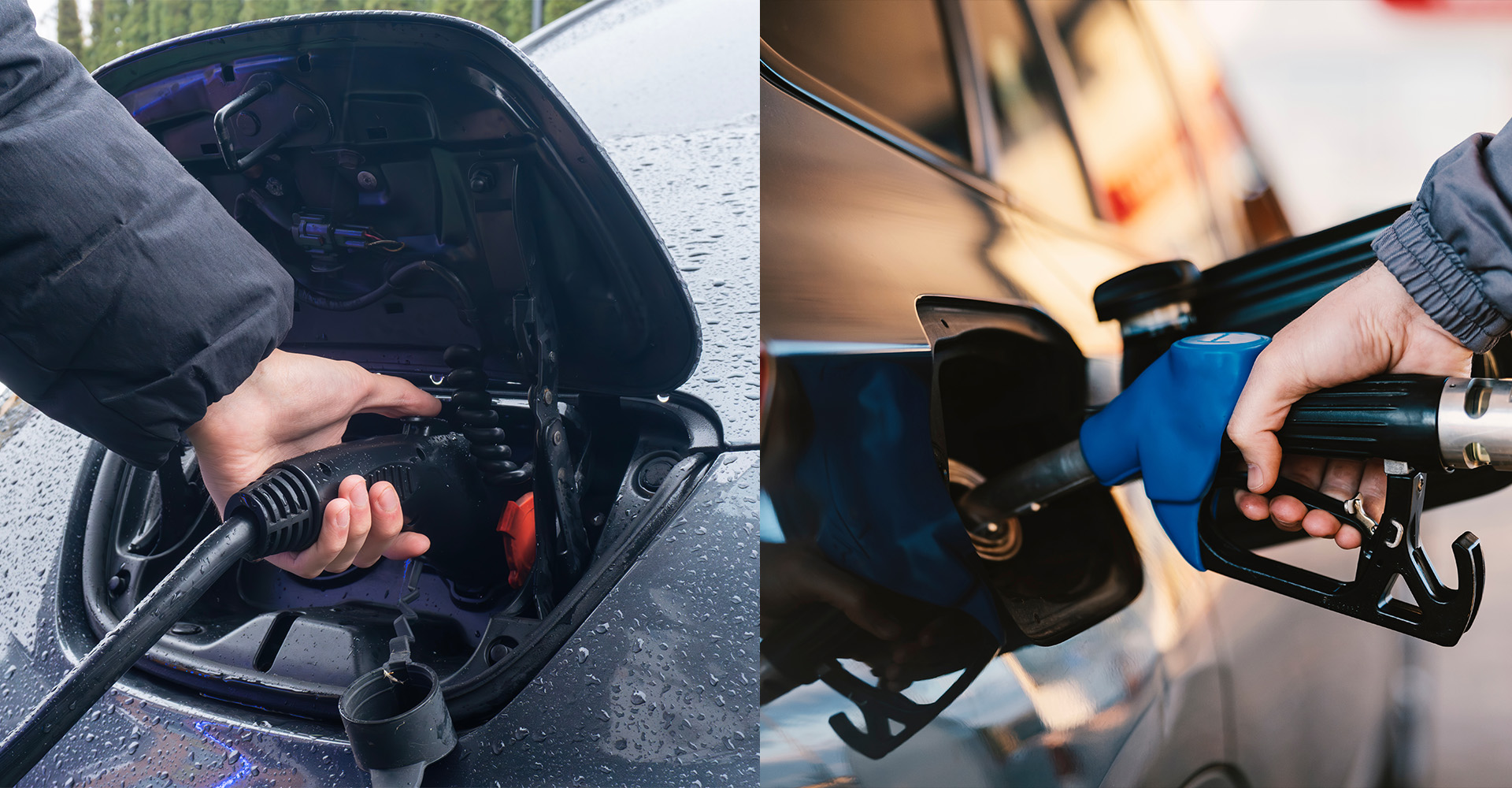
If you’re serious about saving gas and reducing your carbon footprint, switching to an electric vehicle (EV) or a hybrid is a fantastic option. These vehicles are designed to be far more fuel-efficient than traditional gas-powered cars, with some hybrids using little to no fuel at all. Not only will you cut down on gas consumption, but you’ll also enjoy lower maintenance costs and contribute to a cleaner environment. If it’s within your budget and lifestyle, switching to an EV or hybrid could be one of the most impactful steps you take toward saving gas and living more sustainably.
Head to Preston Ford West
By applying these gas-saving tips and adopting a few simple driving techniques, you can significantly reduce your fuel consumption and save money. Whether it’s checking your tire pressure, using cruise control, maintaining your vehicle, or optimizing your route, every small adjustment helps. Keep track of your progress and consider alternative transportation when you can. By making these changes, you’ll save gas and contribute to a greener environment. If you need more tips on how to save gas, head to Preston Ford West to speak with our team and test drive our most fuel-efficient models on the lot today!
2025 Ford Maverick Fuel Efficiency
Maximizing Ford Maverick Efficiency: Real-World Tips and Insights
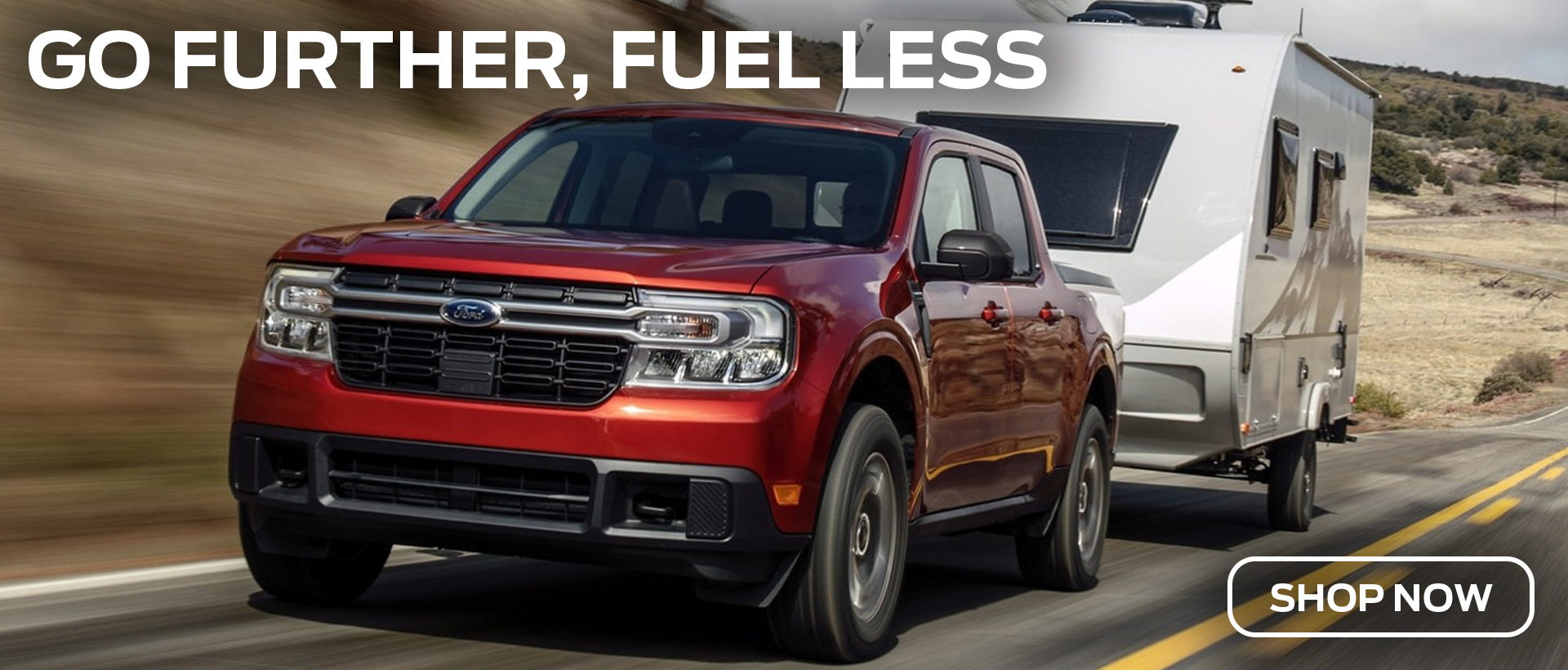
The Ford Maverick has quickly become a standout in the world of compact trucks, blending modern hybrid technology with a practical design that suits both work and play. Whether you’re using it as a daily driver or for weekend adventures, maximizing Ford Maverick fuel efficiency is key to getting the most out of this versatile truck. From the Ford Maverick Hybrid’s gas mileage to real-world driving tips, this blog explores how you can optimize your fuel economy and enjoy lower running costs. Read on to learn more about the Ford Maverick’s fuel efficiency, and shop our inventory at Preston Ford West!

Understanding the Ford Maverick Hybrid’s Fuel Economy
The 2025 Ford Maverick Hybrid is particularly impressive when it comes to fuel efficiency. With an EPA-estimated 42 MPG city, 33 MPG highway, and a combined 38 MPG, this compact truck is an ideal choice for anyone looking to cut down on fuel costs. In real-world testing, drivers have seen fuel economy averaging around 35 MPG, showcasing that the Ford Maverick Hybrid’s gas mileage can deliver impressive results even outside controlled conditions. This hybrid powertrain combines a 2.5L four-cylinder engine with an electric motor, generating a total of 191 horsepower and 155 lb.-ft. of torque. The electric motor allows the truck to run on electric power at low speeds, which significantly boosts fuel economy in stop-and-go traffic. However, as with all vehicles, various factors can influence your actual gas mileage.
Available 2.0L EcoBoost® Engine
The available 2.0L EcoBoost® engine paired with an eight-speed automatic transmission boosts your Ford Maverick’s performance, delivering 238 horsepower and 275 lb.-ft. of torque. This engine provides an EPA-estimated 23 city MPG and 30 highway MPG.
Factors Affecting Gas Mileage
While the Ford Maverick’s fuel efficiency is outstanding, a few factors can cause fluctuations in the Ford Maverick’s gas mileage. Here’s what to watch out for:
- Driving Habits: Aggressive acceleration and braking are the enemies of fuel economy. Sudden stops or rapid starts burn more gas, so adopting smoother driving habits can improve your Ford Maverick Hybrid’s gas mileage.
- Road Conditions: Highway driving is generally more fuel-efficient than city driving because there’s less stopping and starting. But your fuel efficiency will take a hit if you frequently drive on rough terrain or in stop-and-go traffic.
- Weather Conditions: Extreme temperatures, especially very hot or cold weather, can affect how your truck performs. In cold conditions, the engine has to work harder to heat up, and in hot conditions, the air conditioning can draw significant power from the engine.
- All-Wheel Drive: If you opt for an all-wheel-drive Ford Maverick, keep in mind that it may slightly lower fuel efficiency compared to the front-wheel-drive model, especially in city driving.
- Transmission Optimization: The eight-speed automatic transmission in the Ford Maverick Hybrid is designed to maximize fuel efficiency. It adjusts to your driving conditions to ensure that the engine runs at optimal efficiency.
Maximizing Fuel Efficiency on the Road
Want to get the best out of your 2025 Ford Maverick Hybrid’s gas mileage? Here are some key strategies:
- Adopt Smooth Driving Habits: Start and stop gradually, and avoid quick acceleration or hard braking. The more consistent your speed, the better the fuel economy.
- Utilize the Hybrid System: The electric motor plays a crucial role in maximizing efficiency, especially in city driving, where frequent stops allow the vehicle to run on electric power. Be conscious of using electric power as much as possible.
- Cruise Control on Highways: When traveling on highways, cruise control can help you maintain a steady speed and prevent unnecessary acceleration or deceleration.
- Proper Maintenance: Keep your truck running efficiently by regularly servicing it. Ensure tire pressure is optimal, perform regular oil changes, and replace air filters as needed. Well-maintained vehicles run more efficiently, saving you money in the long run.
- Monitor Driving Loads: Be mindful of heavy loads, whether it’s passengers, cargo, or towing. The Ford Maverick Hybrid’s towing capacity can reach up to 4,000 pounds when configured with the available 4K Tow Package, and its payload capacity is 1,500 pounds, but heavy loads can reduce fuel economy. When possible, reduce weight to maximize gas mileage.
Ford Maverick Gas Tank Size
When it comes to the 2025 Ford Maverick gas tank size, the hybrid model equipped with the 2.5L engine offers a 13.8-gallon tank, allowing for efficient regenerative battery charging. Meanwhile, the 2.0L EcoBoost® engine provides a slightly larger 16.8-gallon tank, giving you more range for all your adventures.

Optimize Your Adventures Today
The 2025 Ford Maverick Hybrid strikes the perfect balance of performance, utility, and fuel efficiency. By adopting smooth driving habits and regular maintenance, you can maximize its impressive gas mileage. Whether you’re commuting through city streets or hitting the open highway, the Ford Maverick’s fuel efficiency will help keep your costs down while delivering a rewarding driving experience. Head to Preston Ford West to shop our selection of new Ford Mavericks today!
How Much Do EVs Save On Gas?

How Much Money Do You Save With an Electric Car? A Cost Comparison Guide
As more drivers consider switching to electric vehicles (EVs), the big question on many minds is, “How much do electric cars save on gas?” The answer depends on several factors, including charging costs, maintenance, and government incentives. Let’s break down the key points, with a spotlight on Ford’s lineup of EVs, to understand just how much money you can save with an EV from Preston Ford West and discover our findings on gas vs. electric car savings!
Electric Vehicle Costs vs. Gas Cars
While the initial purchase price of some EVs may be higher, they can provide overall savings compared to gas-powered vehicles. Several factors influence these savings, including:
- The price of new and used EVs
- Electricity rates in your state
- Your charging habits (whether you charge at home or rely on public charging stations)
- Maintenance expenses
Why Choose Ford EVs?
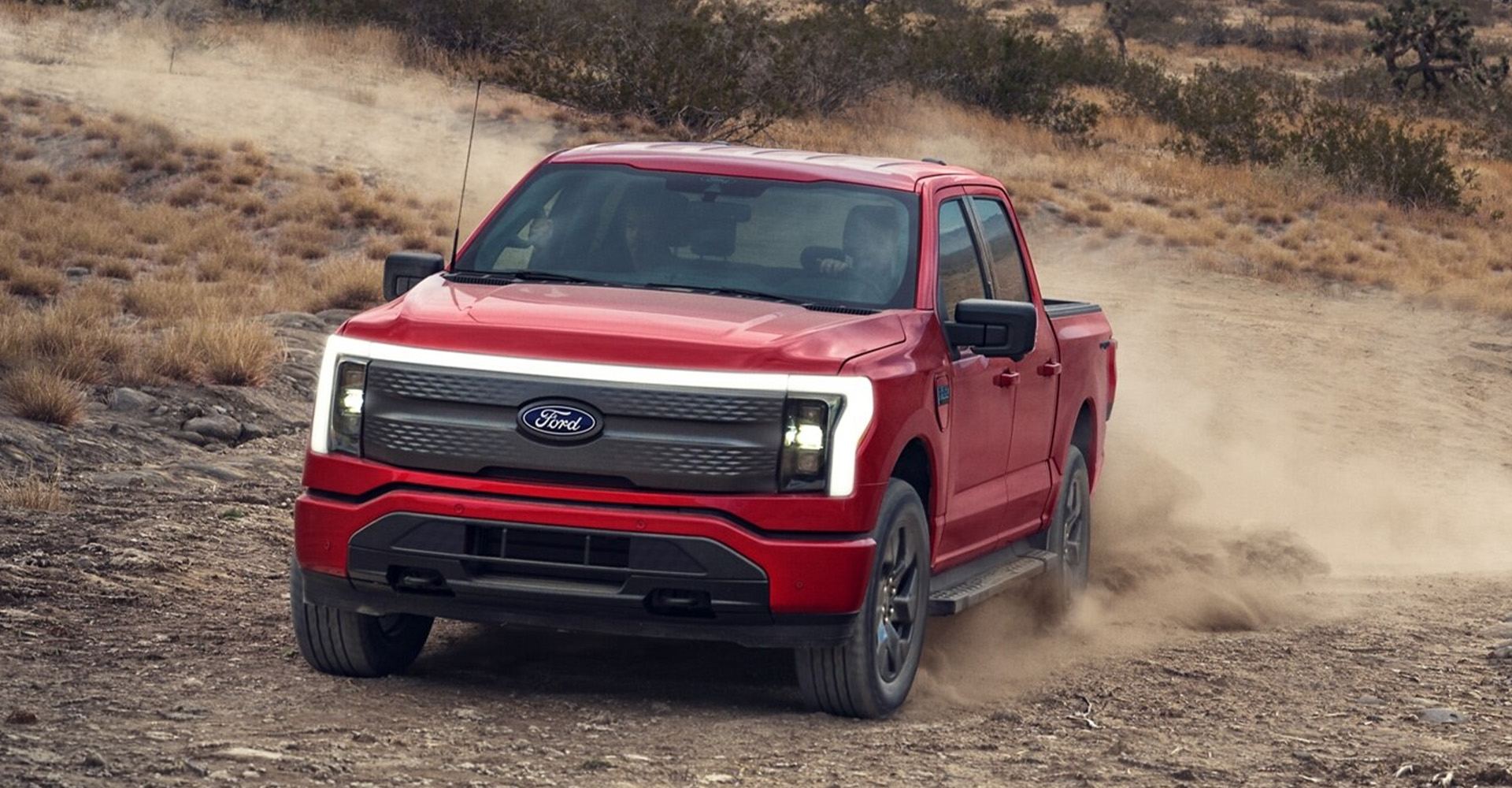
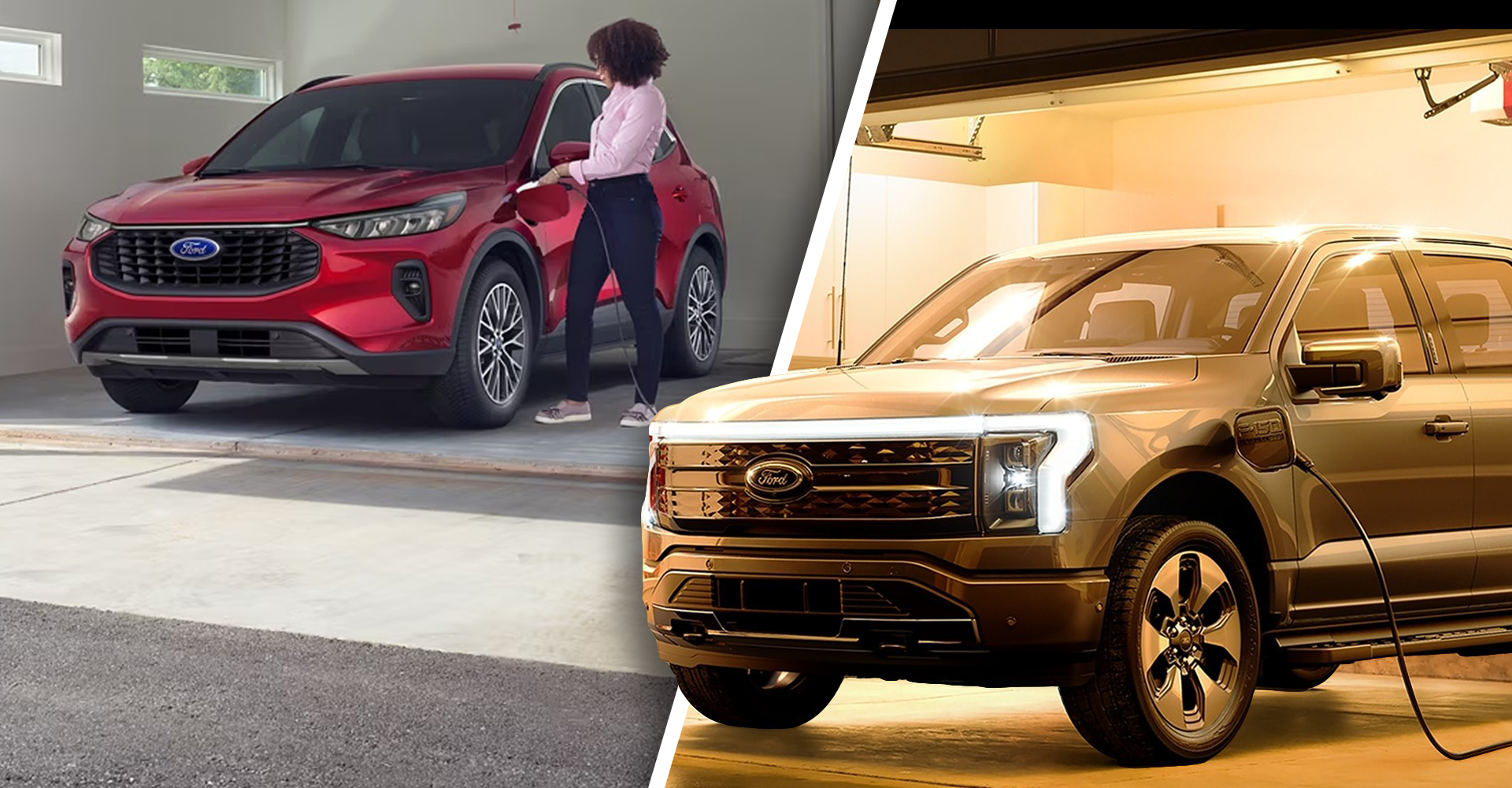
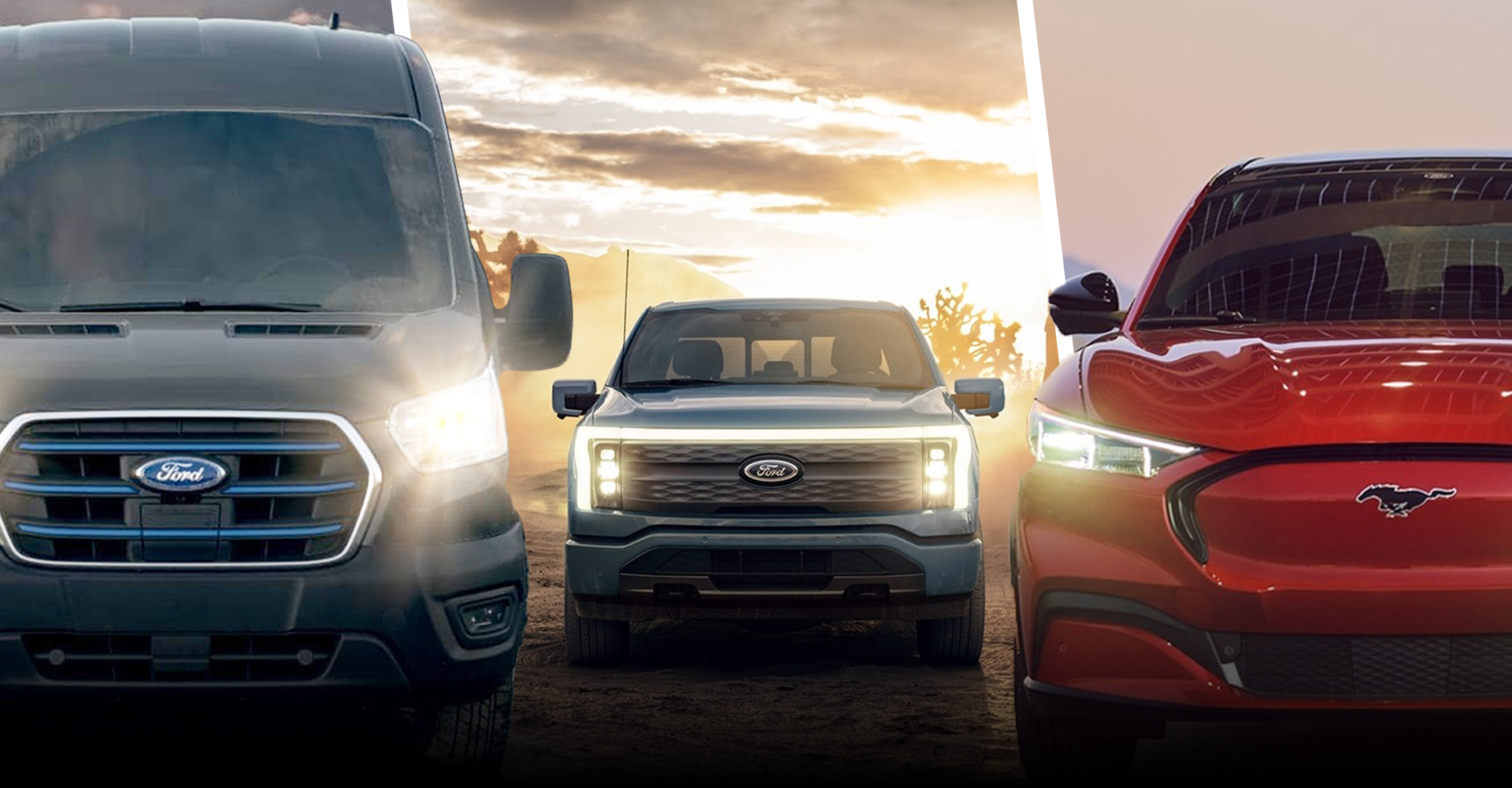
Ford offers a variety of electric models, such as the Ford Mustang Mach-E, Ford F-150 Lightning, Ford E-Transit, and the Ford Escape Plug-In Hybrid designed to deliver impressive fuel and maintenance savings. Thinking about switching to an electric vehicle? Ford offers a lineup that delivers serious cost savings without compromising performance. From the powerful Ford F-150 Lightning and versatile Ford E-Transit to the sleek Ford Mustang Mach-E and efficient Ford Escape Plug-In Hybrid, there’s an EV for every lifestyle. With lower fuel costs, tax incentives, and reduced maintenance expenses, owning a Ford EV makes both financial and environmental sense.
EV Charging Cost vs. Gas
One of the biggest financial advantages of EVs is the reduced fuel cost. According to the U.S. Department of Energy, the average cost to fuel an electric car is $485 per year, compared to $1,117 for a gas-powered vehicle. The US Department of Energy estimates that fully electric vehicles can save you up to $2,200 per year on average, while hybrid electric vehicles can save around $1,500 annually.
Key Factors Impacting Charging Costs:
- Electricity Rates: Electricity costs vary by region, but the national average is around 13 cents per kilowatt-hour (kWh).
- Off-Peak Charging: Charging during off-peak hours can further reduce costs.
For more information on charging your EV, click here to read our previous blog!
Maintenance Costs: Electric vs. Gas Cars
Electric vehicles also boast lower maintenance expenses. With no need for routine oil changes, spark plug replacements, or complex engine repairs, EV owners can enjoy hassle-free maintenance.
EV Maintenance Advantages:
- Regenerative Braking: This EV braking system extends the life of brake pads
- Simpler Powertrain: Fewer moving parts mean fewer repairs
- Cost Savings: Studies suggest EV owners can save up to $7,000 in maintenance costs over the life of the vehicle.
Ford’s EV lineup benefits from these reduced maintenance demands, making them a practical choice for long-term savings.
Factors Affecting Electric Vehicle Costs
Regional Electricity Rates
Electricity costs vary by state. States with renewable energy incentives or lower electricity rates make EV ownership even more cost-effective.
Charging Options
- Home Charging: Costs depend on your home’s electrical infrastructure and the type of charger you install.
- Public Charging: Prices vary based on the charging network and charger type (Level 2 or Level 3 fast chargers).
EV Incentives and Tax Credits
The U.S. government offers federal tax credits of up to $7,500 for new EVs and up to $4,000 for pre-owned EVs, depending on eligibility. State and local incentives can further reduce the cost of purchasing an EV. Numerous states, including Maryland, offer extra incentives on top of the federal credit, further enhancing the appeal of owning an electric vehicle. These state benefits may include tax deductions, rebates, or lower registration fees for EVs. Understanding these tax credits can be complex, but our experienced team is ready to support our local customers through the process. Ford EV buyers may qualify for these incentives, making models like the Ford Mustang Mach-E and F-150 Lightning even more appealing.
Make the Switch Today
Electric vehicles, especially models from Ford’s innovative lineup, offer significant savings on fuel, maintenance, and overall ownership costs. While the initial sticker price might be higher, the long-term financial and environmental benefits make EVs a cost-effective option for many drivers. With available tax credits and incentives, now is a great time to make the switch and enjoy the savings that come with driving electric. Head to Preston Ford West to explore our lot, fully charged with exceptional electric options to browse!
Connect with us

